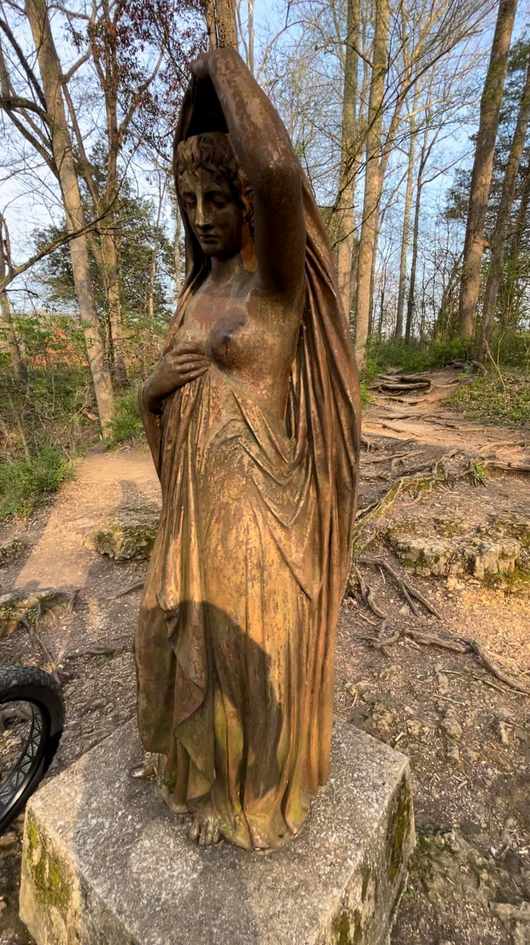
Nashville, Tenn – Forgotten to time, the sculptures of Morning, Noon and Night once stood proud on Tennessee’s Capitol building, later to be destroyed and lost. Five feet tall and made of cast iron, each of the 24 sculptures stood on eight lamp posts on the four porticos of the Capitol.
Installed during the ending stretch of capitol construction in 1859, the seminude sculptures existed undisturbed for nearly 100 years before they were abruptly destroyed and lost to history. The statues – casted by Wood and Perot Ornamental Iron Works of Philadelphia – cost $2,600. Morning, Noon and Night were represented on each lamp post around the capitol grounds.
“Consisting of mostly seminude ladies, by the 1950’s the tops [lanterns] were gone, and these are mostly life-sized ladies,” said B.L. Rhodes, executive assistant to Rep. Ron Gant, R-Piperton. “They’re in various states of undress to show morning, noon and night.”
The sculptures were made to represent the passing of time during the day. They were often associated with the constant vigil of light with two representing the light and one of darkness, according to Mary Ellen Gadski, who wrote one of the few articles about them in 1988. They were posted at entrances to cast a light that led people to the Capitol.
These sculptures are not well known today in the Capitol itself. During two separate commissions meetings in 1992 and 1996, Senator Douglas Henry advocated for the recasting of the sculptures. He failed in getting them remade.
Several current legislators with extensive knowledge of the Capitol building history were stumped by this mystery. They collectively said they never heard of this collection of sculptures. Morning, Noon and Night became the center of a major disagreement among the General Assembly’s leaders and architects working on the renovations of 1956-58. An architect by the name of Clayton Barnett Dekle said they were rusted out and “they never really did fit in,” he wrote in the Tennessee State Capitol: Historic Structure Report in 1986.
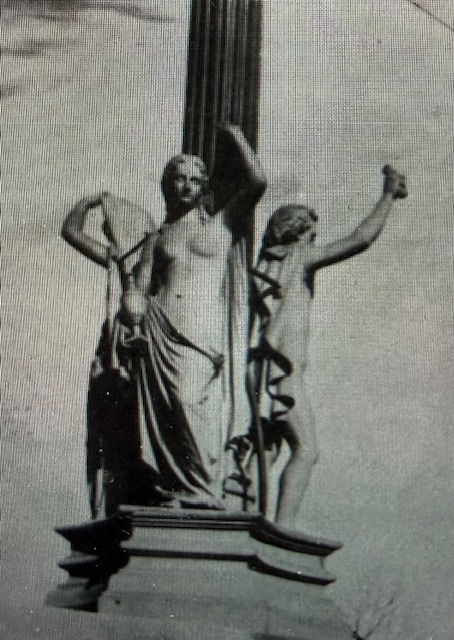
Many members of the General Assembly of the time and residents of the city complained about the semi-nude sculptures stating they were too inappropriate for the public grounds of the Capitol. Supporters replied the complaints were from puritan and narrow minds.
Some who work at the Capitol mentioned they would like to see them redone and restored to their place on the four porticoes on the building. In addition to being cost prohibitive, creating new ones based only on images and not having the originals for a recasting makes it a difficult challenge.
“Allegedly there’s one still in existence, but they’ve been outside for so long, it’s badly rusted. So you can’t make a good casting off of it,” said Rhodes. This last standing piece lives permanently at Rutledge Falls 50 miles south of Murfreesboro under the name “Lady of the Falls.”
When the pieces were removed from the Capitol, Senator Lyndon Jennings, who once owned the Rutledge Falls property had come across one of the lost figures and asked for her to be renamed “Lady of the Falls.”
This story is part of week long news coverage of the TN General Assembly by the UT-Chattanooga PULSE Project.
Leave a Reply