Dr. Lingyan Liu’s most recent article, titled “Unruly Singing and Shouting: Listening to Labourers’ Work Songs in Modern Shanghai,” was recently published in Past & Present.
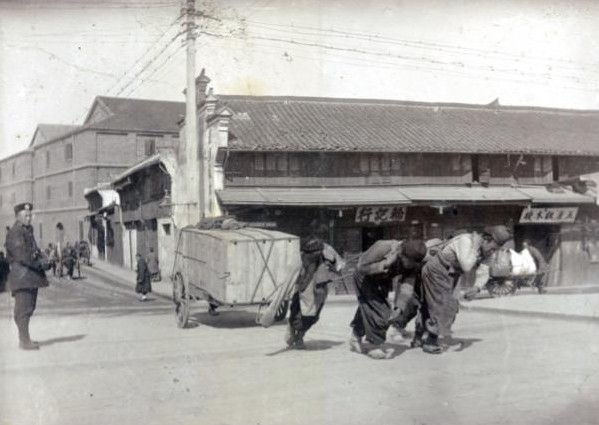
Dr. Liu recently published their article, “Unruly Singing and Shouting: Listening to Labourers’ Work Songs in Modern Shanghai,” in the prestigious historical journal, Past & Present. Their research examines the soundscapes of modern Shanghai and specifically the role that workers’ songs and shouts played in defining the city.
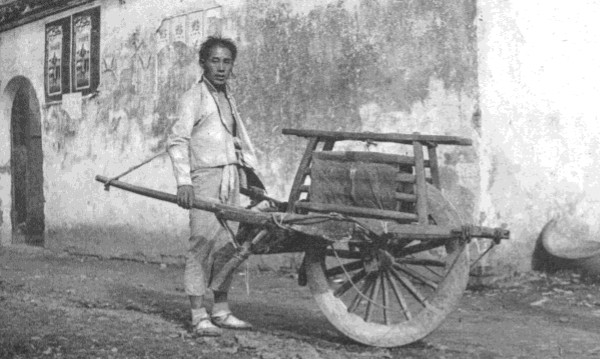
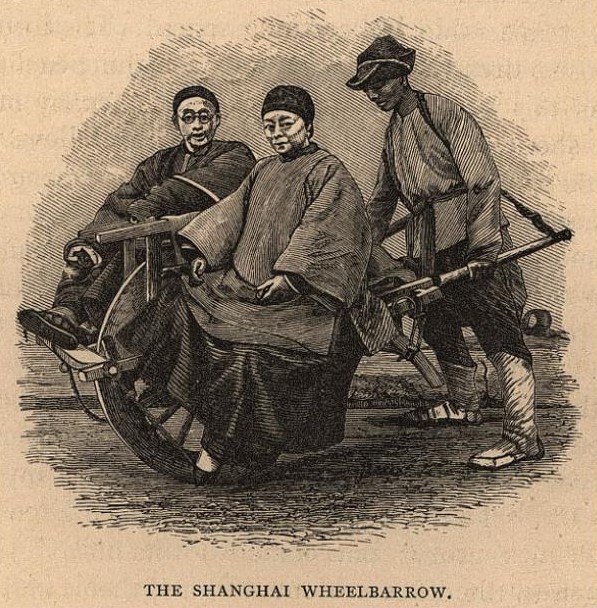
As early as the third century BCE, references to labourers’ work songs appeared in the Chinese court-sponsored compendium Lushi Chunqiu, and, for the 2,000 years that followed, labourers throughout China continued to sing these songs. Despite variations in their tones, rhythms, and lyrics, their chanting performed some essential functions: synchronizing movements, communicating information, and boosting morale. During the late nineteenth and early twentieth centuries, however, the sound of such songs became controversial among newly arrived Anglophone settlers as well as Chinese intellectuals in Shanghai, evoking emotions ranging from frustration, contempt, and desperation to compassion, admiration, and even inspiration. This article historicizes the contested interpretations of Chinese workers’ singing and shouting, exploring how different listeners’ anxieties and agendas shaped what they heard. At the same time, it juxtaposes these reactions with the labourers’ own justifications for the sounds they made, and their responses to the baffling modern cityscape they had to navigate. While reconstructing the histories of marginalized groups has long been hindered by the perception of archival silence, attending to sonic traces often dismissed as ‘mere noise’ can help to recover the vital sounds of those otherwise rendered voiceless by the historical record.
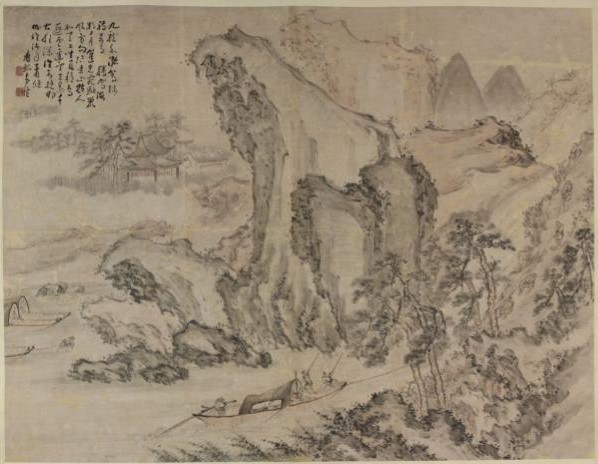
As Dr. Liu explains:
“Until the Lion learns to write, every story will glorify the hunter.” Deeply motivated by this African proverb, My research and teaching always stay attuned to the sound of the marginalized groups, people who do not know how to read and write and often left out of written archives. My book manuscript, That Hideous Noise: Chinese Sounds and the Transnational Making of Modernity in China and the United States, 1830–1930, investigates how the sounds of Chinese dockworkers, night watchmen, and professional mourners, as well as Chinese firecrackers and musical instruments, acquired new meanings on both sides of the Pacific Ocean when China transferred from a wobbly empire to a new modern state. This article, “Unruly Singing and Shouting: Listening to Labourers’ Work Songs in Modern Shanghai,” is drawn from a chapter of my book, and I’m very excited for its publication in Past & Present, one of the most stimulating historical journals in the English-speaking world.
You can find the article here–it’s definitely worth a read!
Congratulations Dr. Liu!