If you’ve checked an app on your phone, looked at a website or run an AI prompt today, you relied on a data center for that action — whether you realized it or not.
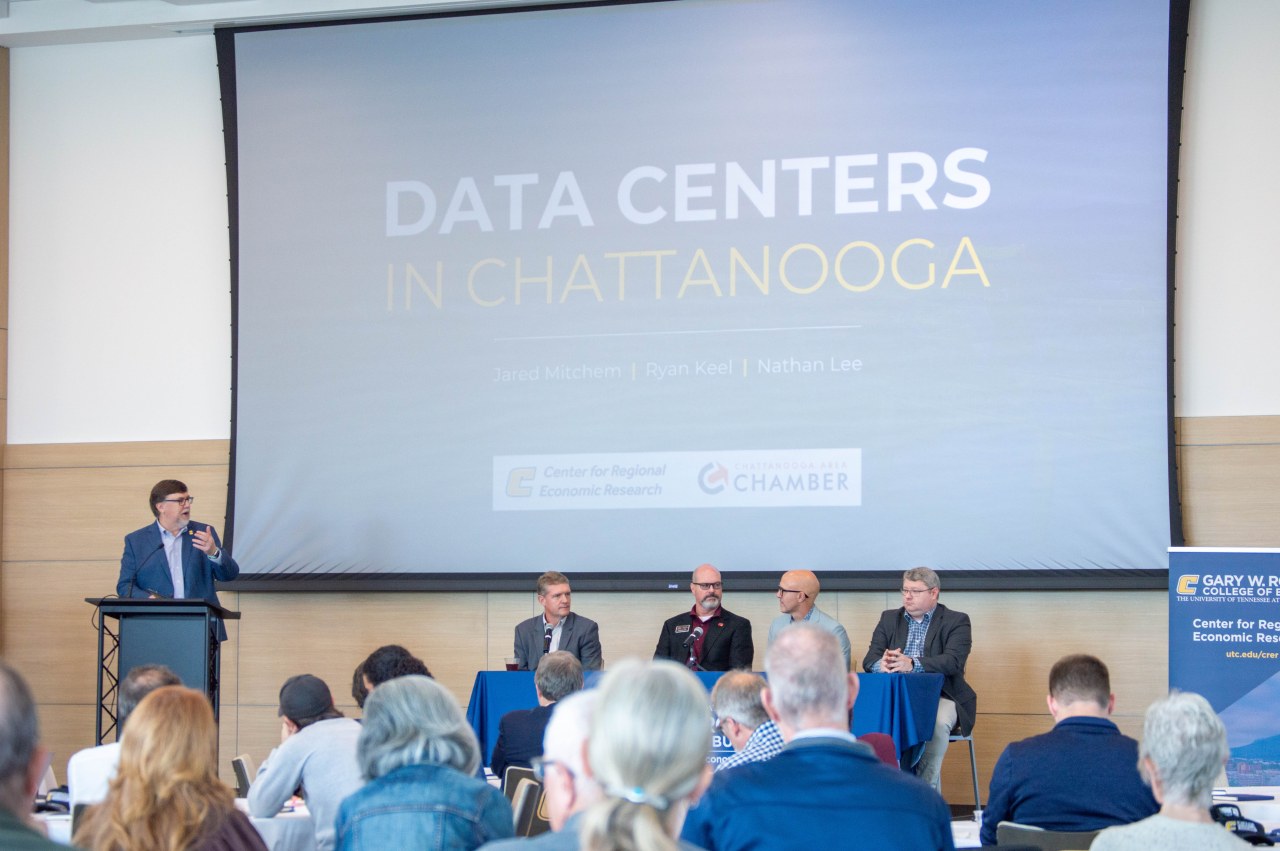
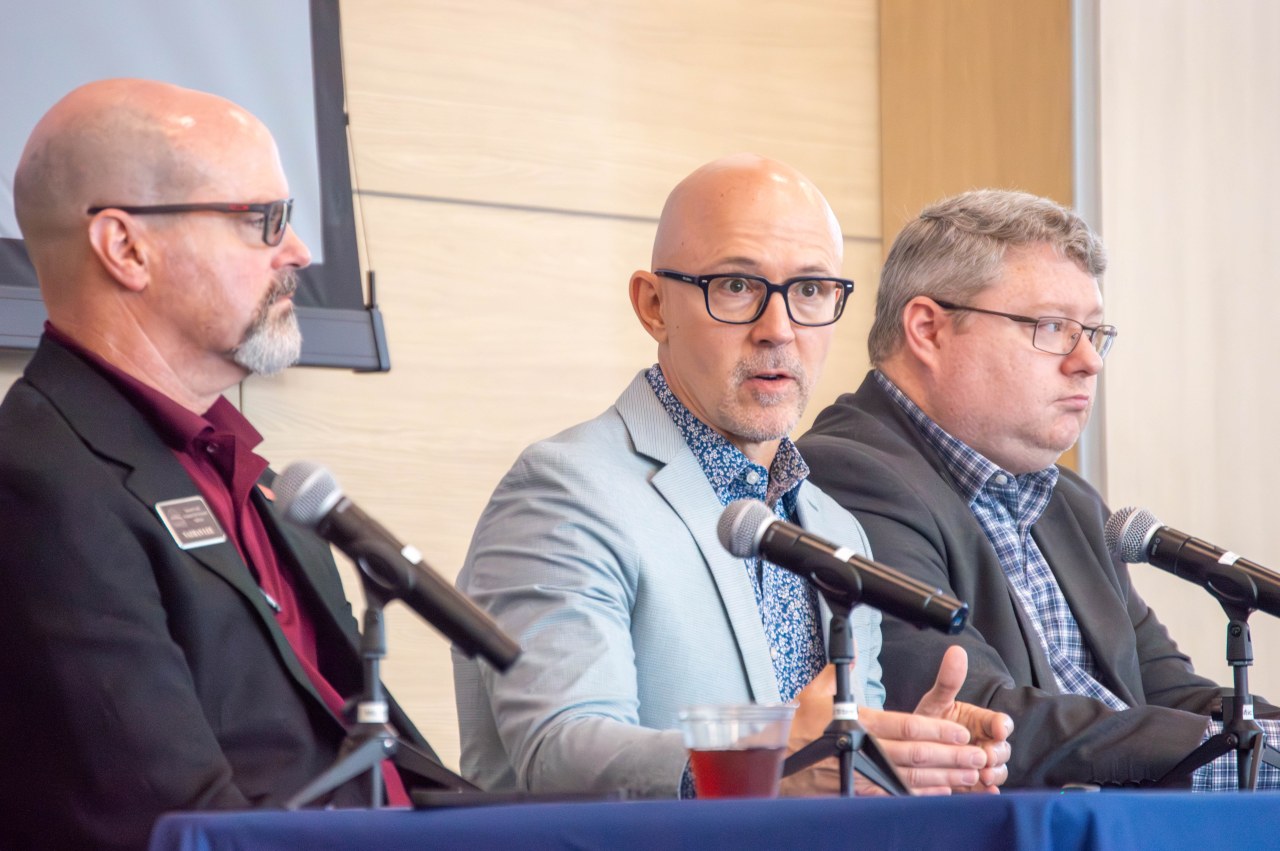
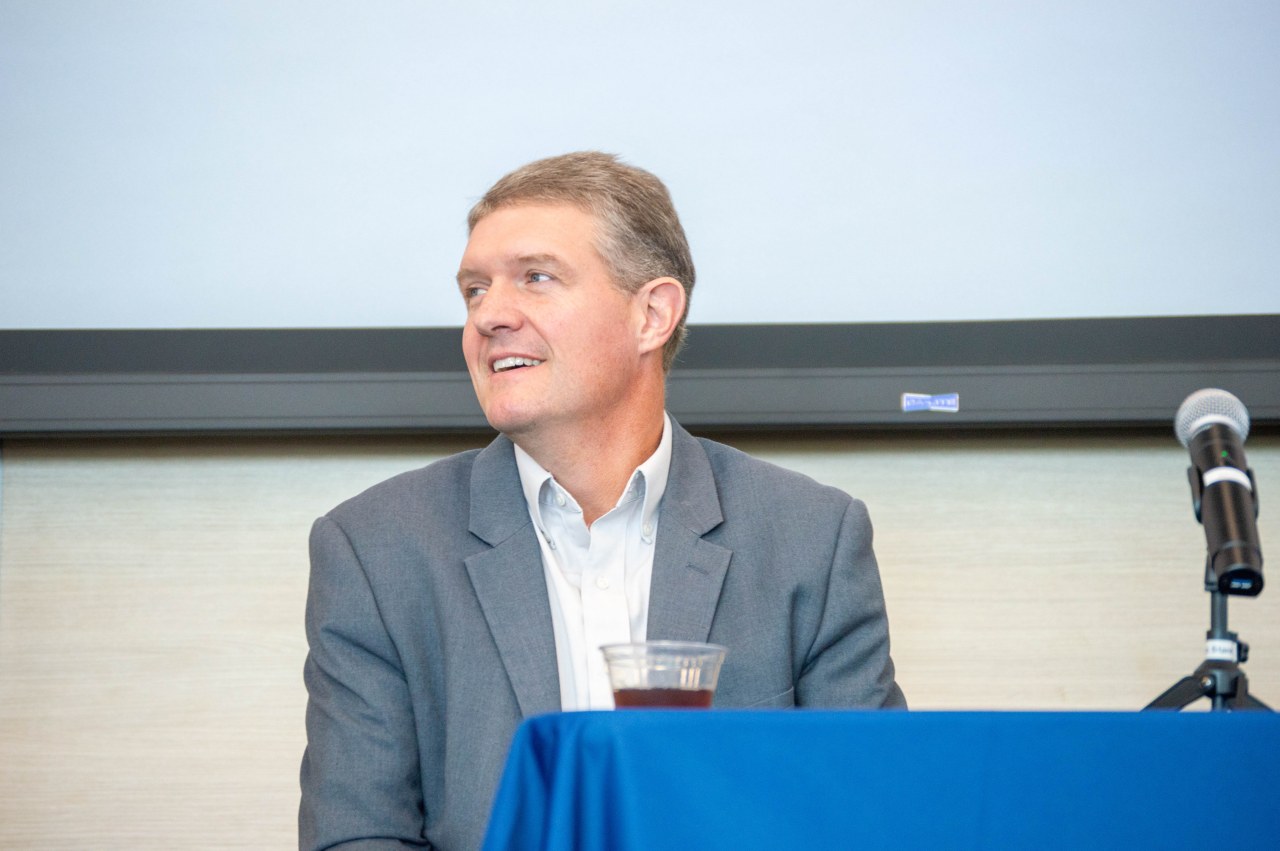
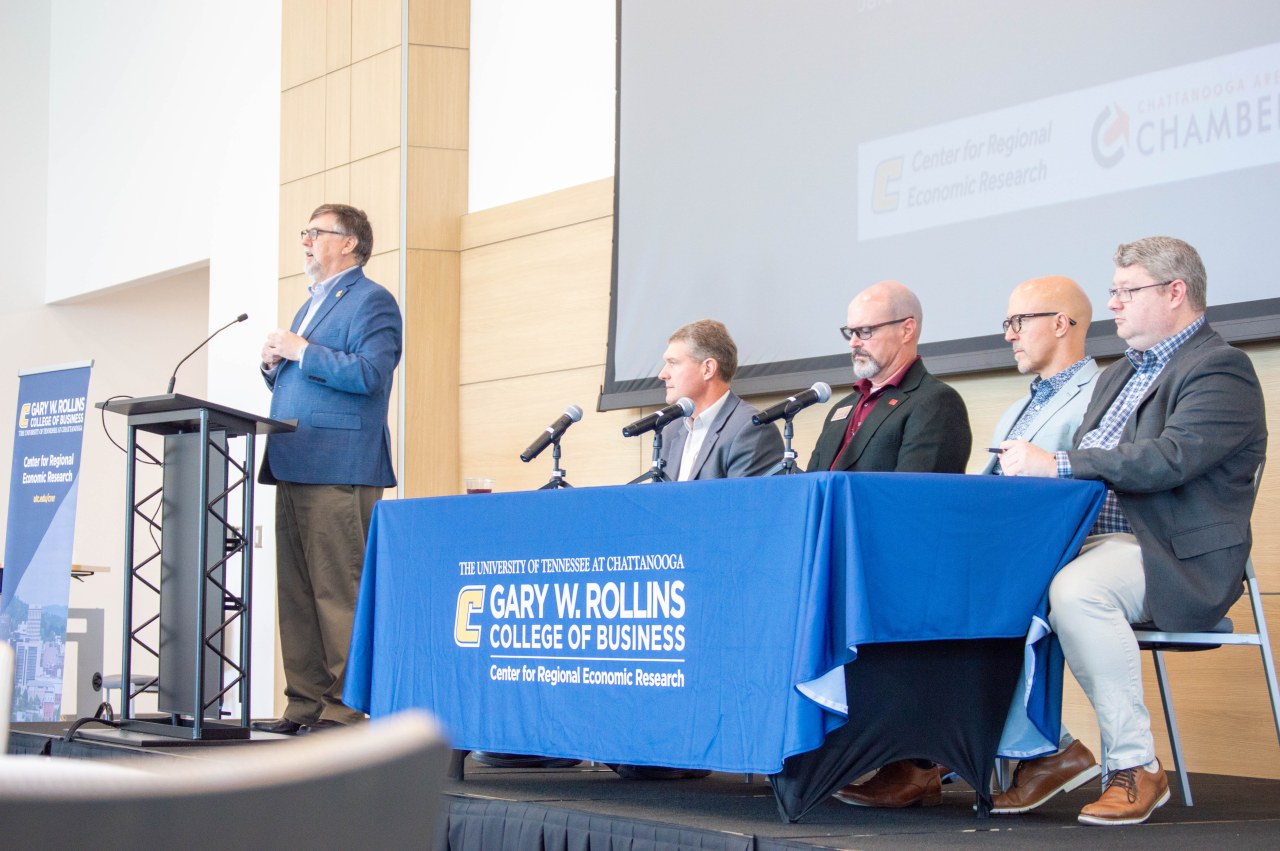
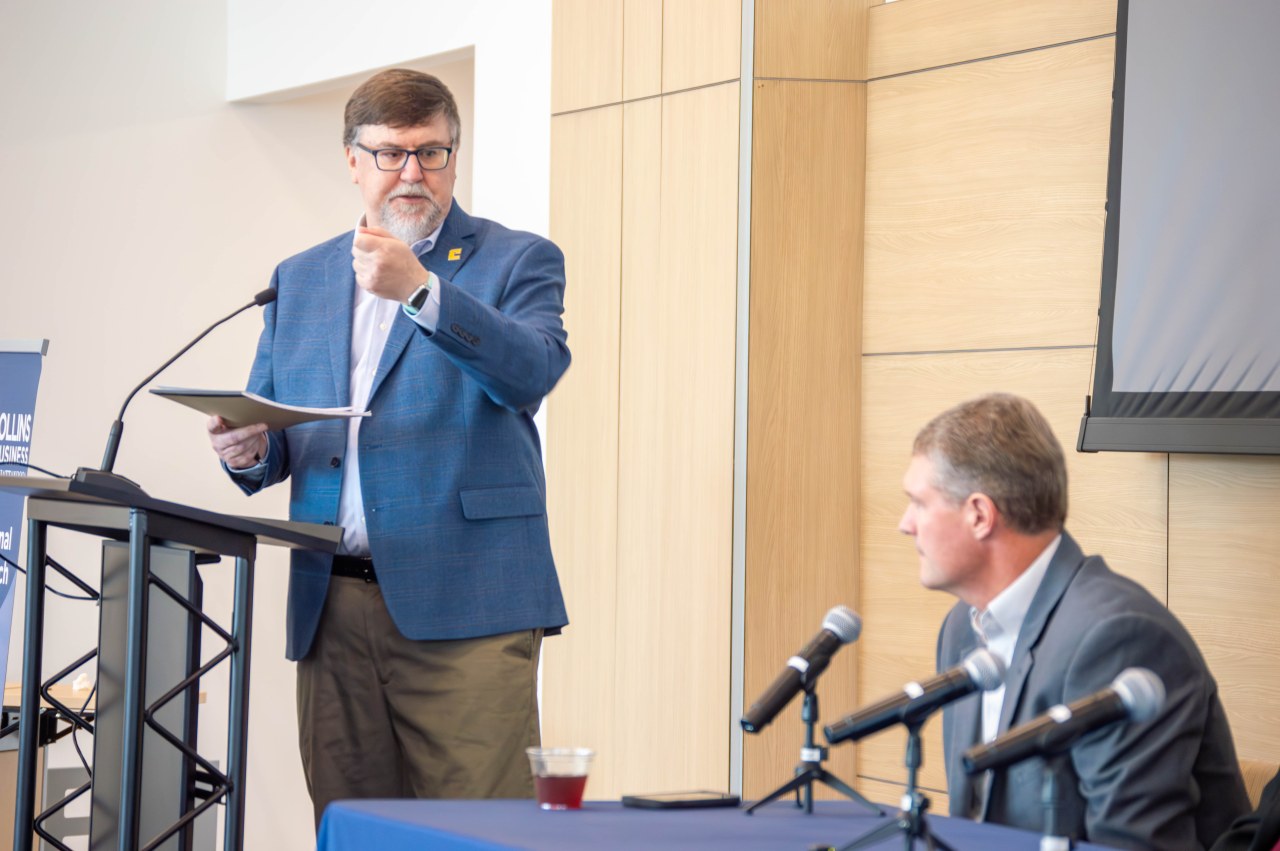
The Center for Regional Economic Research at the Gary W. Rollins College of Business recently partnered with the Chattanooga Area Chamber of Commerce to host a panel with local experts about the economic impact of data centers. The conversation focused on policies, lived experiences and opportunities. Moderated by Dr. Howard Wall, director and chief economist of the CRER, the panel included:
- Jared Mitchem, principal of Strategic Energy Initiatives at TVA
- Ryan Keel, president of Energy and Communications at EPB
- Nathan Lee, president and CEO at the Jackson County Economic Development Authority
- Adam Meyers, vice president, Chattanooga Area Chamber of Commerce
Artificial intelligence has placed a spotlight on data centers because of the vast amount of energy required to make intensive computations. However, data centers have been around for decades, and we rely on them every day — checking your bank statement on your phone, ordering tickets to see your favorite team or musician, clicking on the AI result when you enter a web search.
“Our goal isn’t to make you love or hate data centers, but for you to love or hate them for the right reasons, not because of inaccurate information,” said Dr. Howard Wall of the CRER.
Policies prioritize the community
Data centers are facilities that look like warehouses. They’re filled with equipment used to store, process and move data, including servers, storage systems, network gear, backup power, cooling systems and physical security.
The concern isn’t what they do; it’s the amount of power required to do it and whether that affects other consumers in the region. To put it in perspective, the city of Chattanooga uses around 1,000 megawatts of energy per day. Some companies are now requiring that for a single data center.
Each of the panelists shared the policies required of companies requesting to establish a new data center in the area. Thanks to a bill passed in early 2026, Jared Mitchem of TVA shared that approved companies must front the cost to build and serve the data centers. This includes infrastructure to support the data centers, such as a new power plant. TVA is making an effort to ensure customer care remains consistent, and he said this secures ratepayer protection for all other users in the region.
“Think of it as a plastics extrusions manufacturer,” said Jared. TVA has agreements with large energy consumers to adapt on days when there’s the greatest need for energy distribution (think: the hottest day of summer or coldest day of winter).
“Our main priority is keeping the lights on around the region,” he said. So, if TVA calls a manufacturer in a time of high energy consumption, their agreement requires the company to switch to their backup energy source — generators, batteries, gas — to maintain their production for a couple hours “off the grid.” That power is then re-routed to meet community needs.
Ryan Keel from EPB added that some of their largest customers have options for capacity and EPB has a control center that can shut down a facility when needed. He said many choose to operate during off-peak hours to avoid shutdown.
Data centers are no different. Because of their energy consumption, they would be among the first to go off grid when regional needs arise.
11 years of hosting a data center
Nathan Lee from the Jackson County Economic Development Authority had a unique perspective, with a large Google data center located in his county since 2015.
He said the data center offered jobs to locals in the region and provides work to surrounding businesses to help them generate income. He said the data center is located in a once abandoned building, and the school system gets millions of dollars each year because of Google’s commitment to the community. Nathan added that the data center is among the region’s top five tax revenue generators.
A common question about data centers is, “How loud is it?”
He said the data center in his county is hosted on 800 acres of land and is practically soundless. “There’s construction noise,” said Nathan. “But you can go by it and can’t hear anything at the data center.”
On the other hand, Nathan said some data centers can roll into a region in the back of an 18-wheeler — those are loud, volatile and unreliable. He said he’s very selective about which centers are approved because many don’t prioritize the community. They could be here today and gone tomorrow depending on the market.
“There are good and bad data centers for a community,” said Nathan. “You need to do your due diligence to be sure you’re not getting one of the bad ones.”
The deal with AI
“I’ve never seen a computer fix a toilet,” said Nathan.
It’s a funny line with a serious point. For decades, new technology has replaced some jobs while creating demand for new skills to manage it. “Yes, there will be automations, but they still need people to run the equipment,” Nathan said. “It’s advanced manufacturing.”
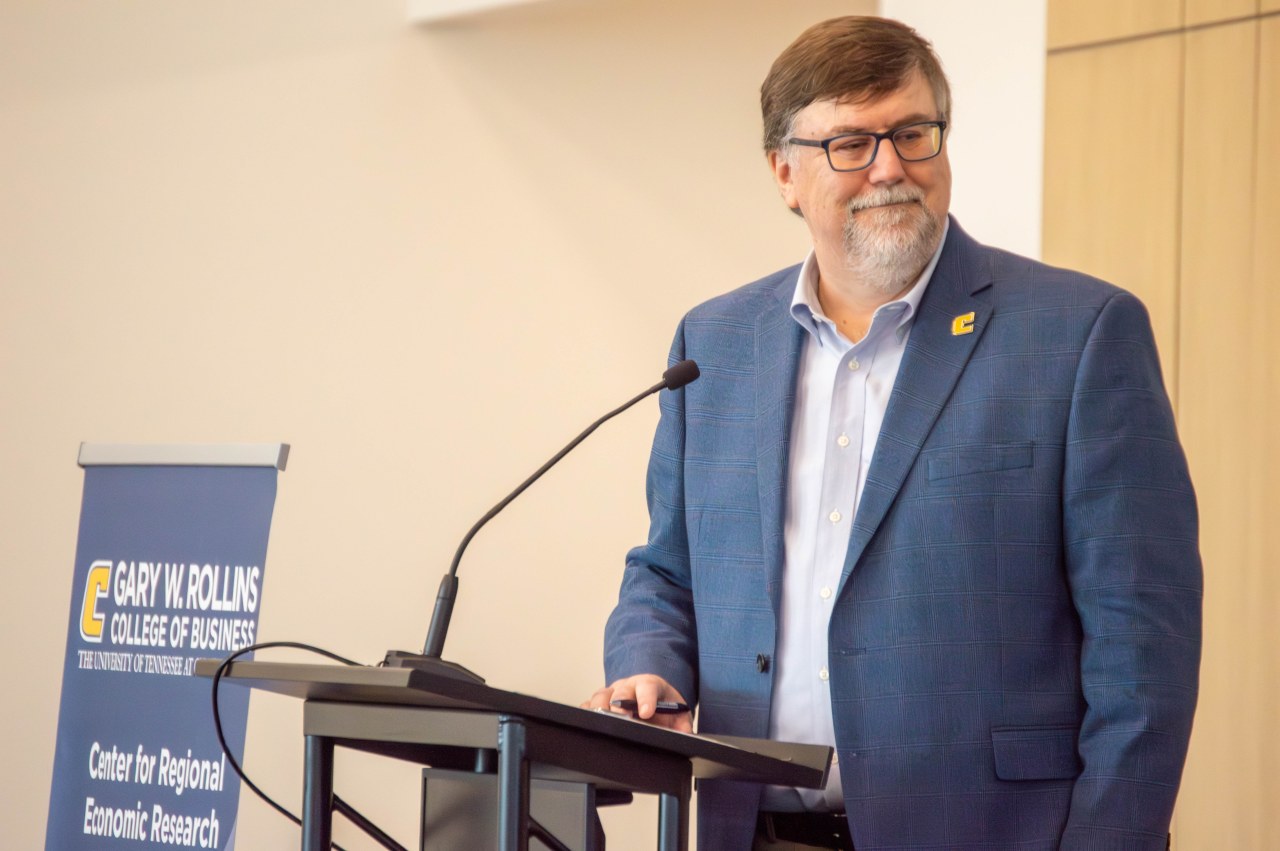
Dr. Howard Wall from the CRER pointed to a familiar example where technology drove change: ATMs. When ATMs first arrived, bank tellers were afraid they would lose their jobs. However, because they were cheaper to maintain and run, banks were able to open new branches and provide more jobs for tellers. ATMs allowed tellers to do more than just count money for customers. They were able to focus on the more in-depth functions of their jobs to support customers.
AI is already showing up in the workplace. Ryan shared a recent experience where his EPB team was running a system update. A teammate ran the process through AI as a final check to make sure nothing was missed, and it flagged an issue that could have affected customers. This is just one example of how AI can support the workforce rather than replace it.
Looking ahead, Adam Meyers of the Chattanooga Chamber said the goal is to position Chattanooga as a technology hub for quantum and AI. While the Chamber reserves land for manufacturing, he said, “We should be thinking about where does it make sense to put a data center?”
The future of data centers
According to the panelists, data centers are inevitable with the growth of technology. However, there are strict procedures and policies implemented to ensure they’re having a positive impact on their surrounding communities.
In short, data centers function like a large manufacturer. They use lots of energy and require a backup power source to continue processing if the system goes offline.
Whether or not Chattanooga is the right place for data centers is up for debate, but we can be confident that the energy providers have the community’s best interests in mind.
Watch the full conversation here.


The CRER is housed within the Gary W. Rollins College of Business at the University of Tennessee at Chattanooga. It conducts data-driven economic research on the Chattanooga regional economy to connect the Rollins College of Business with the local community. It serves an academic mission to educate students and energize research on local economic issues.
Visit the CRER website to learn more about the impactful work they’re doing.

Leave a Reply