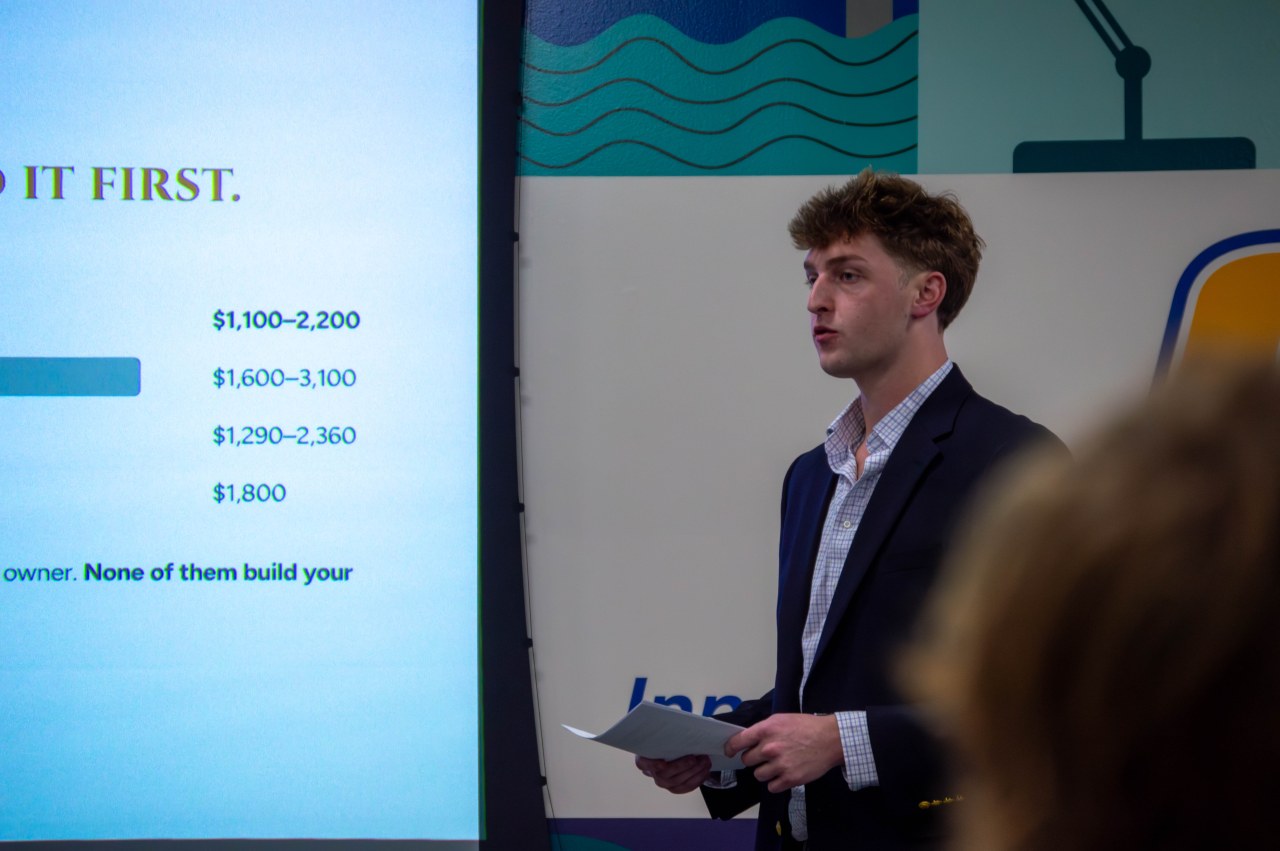
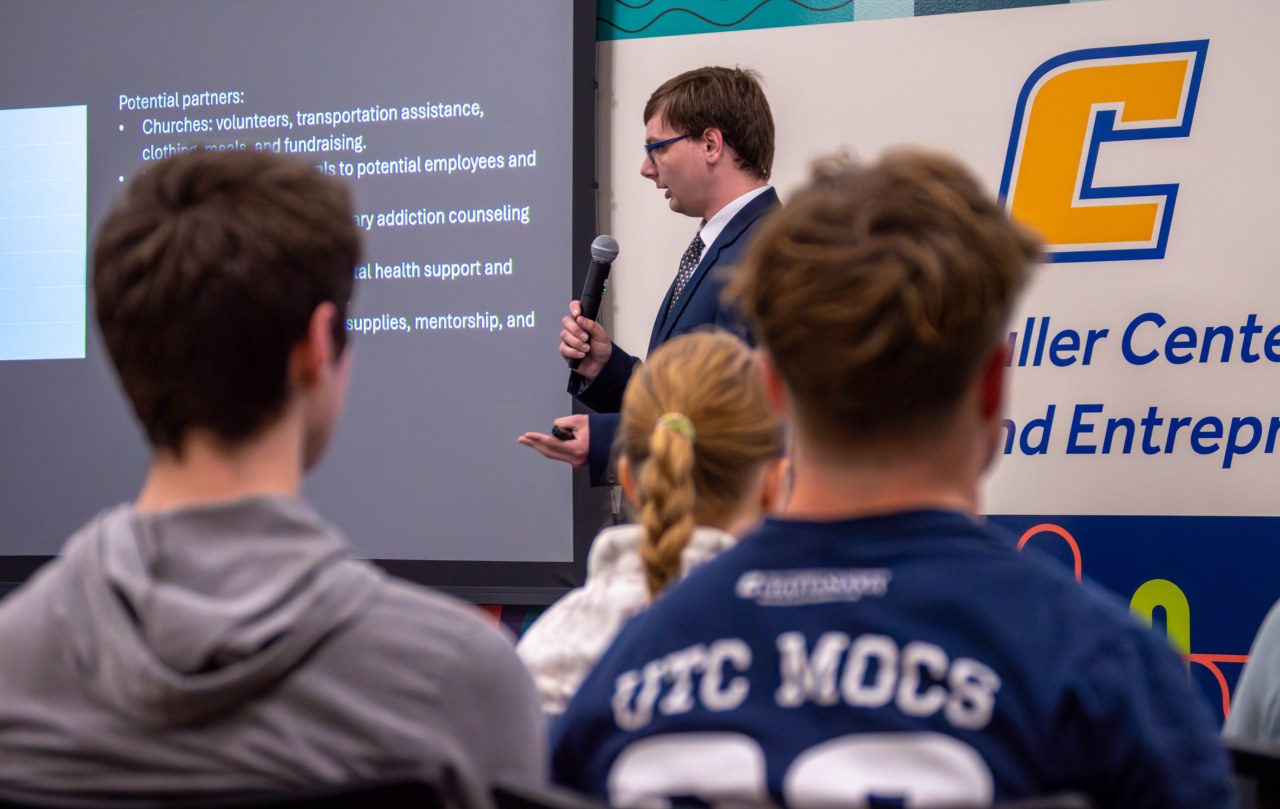
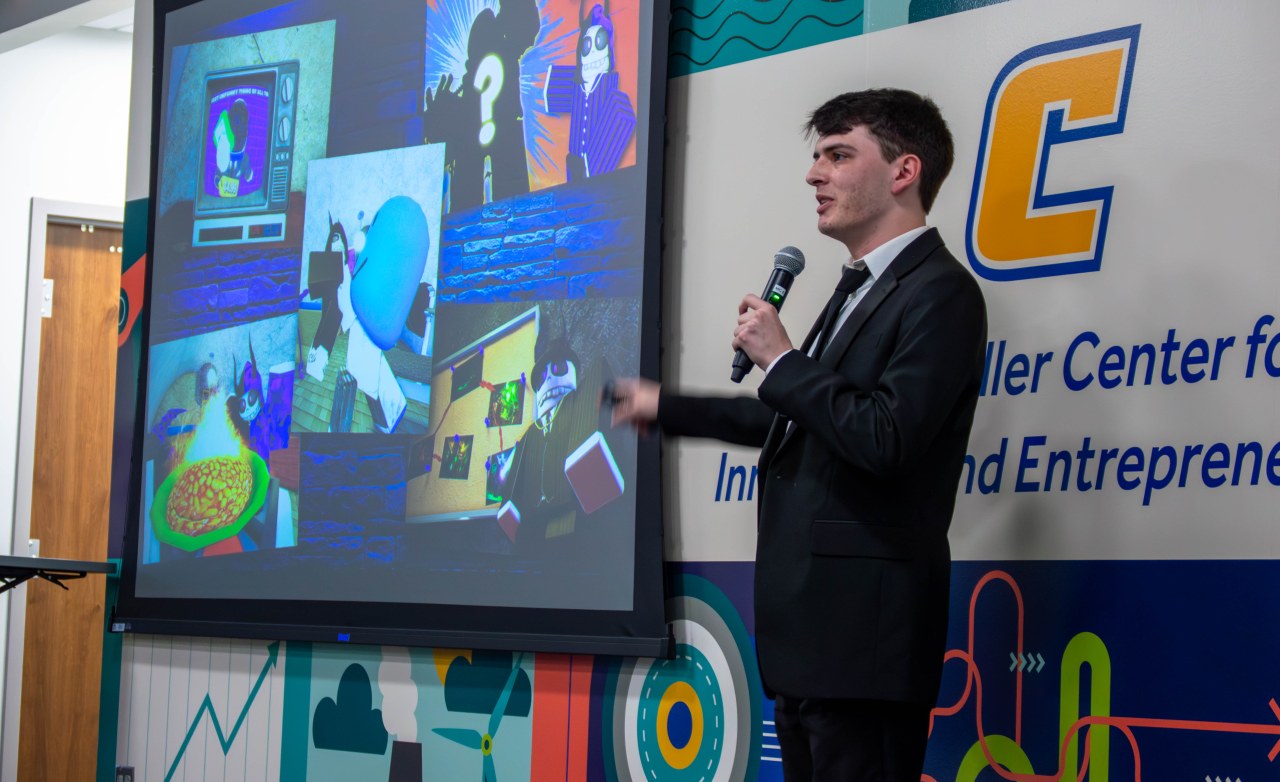
Competitors get four minutes to present a business and three more to answer whatever the judges ask.
Welcome to the Fly! Pitch Competition, hosted by the Max Fuller Center for Innovation and Entrepreneurship at UTC.
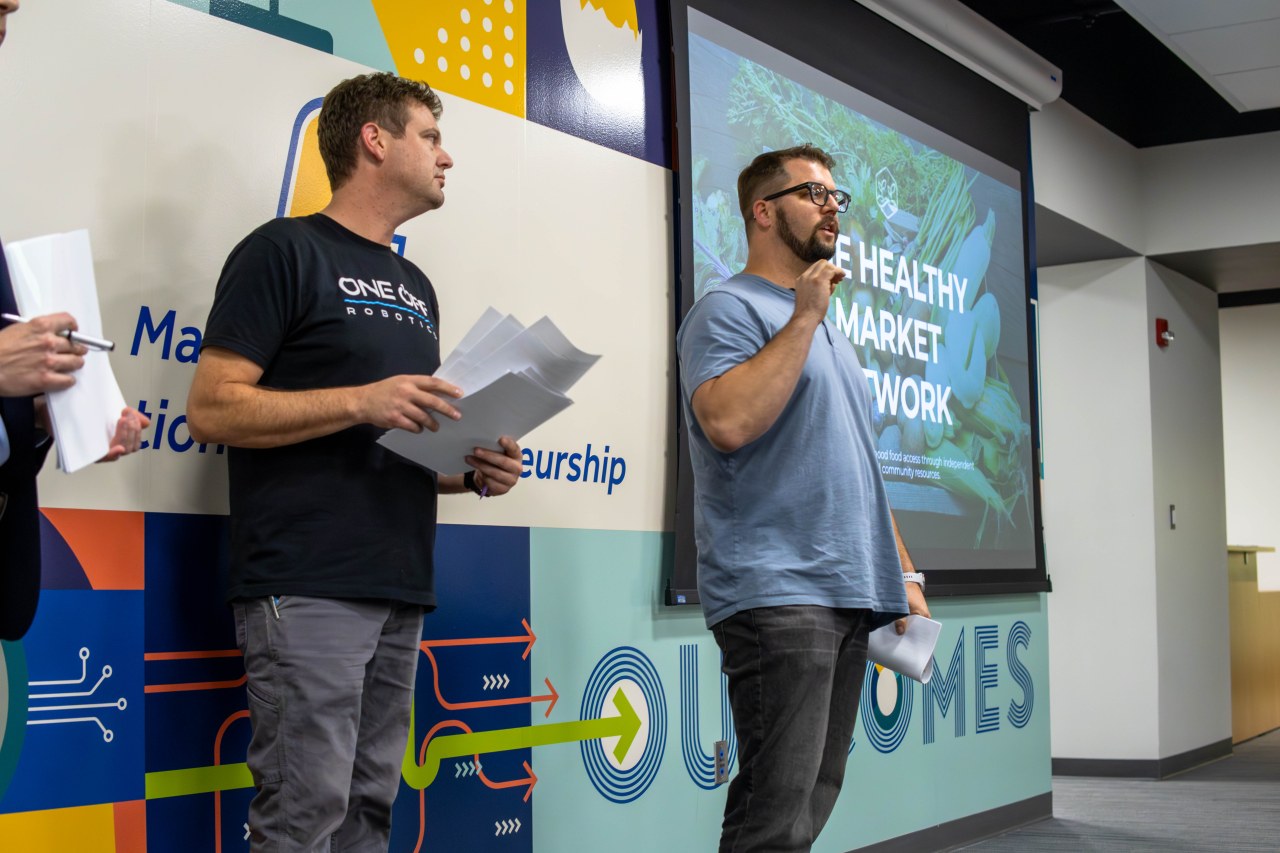
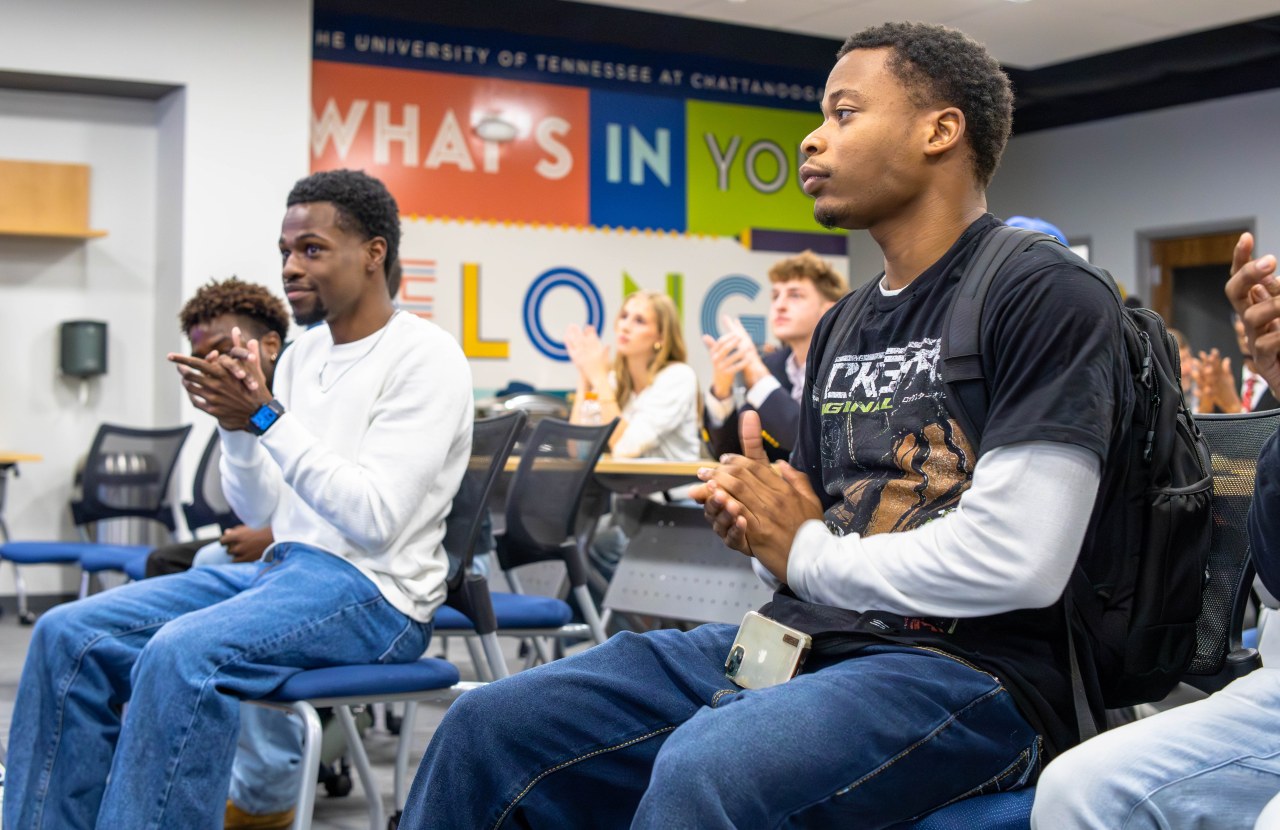
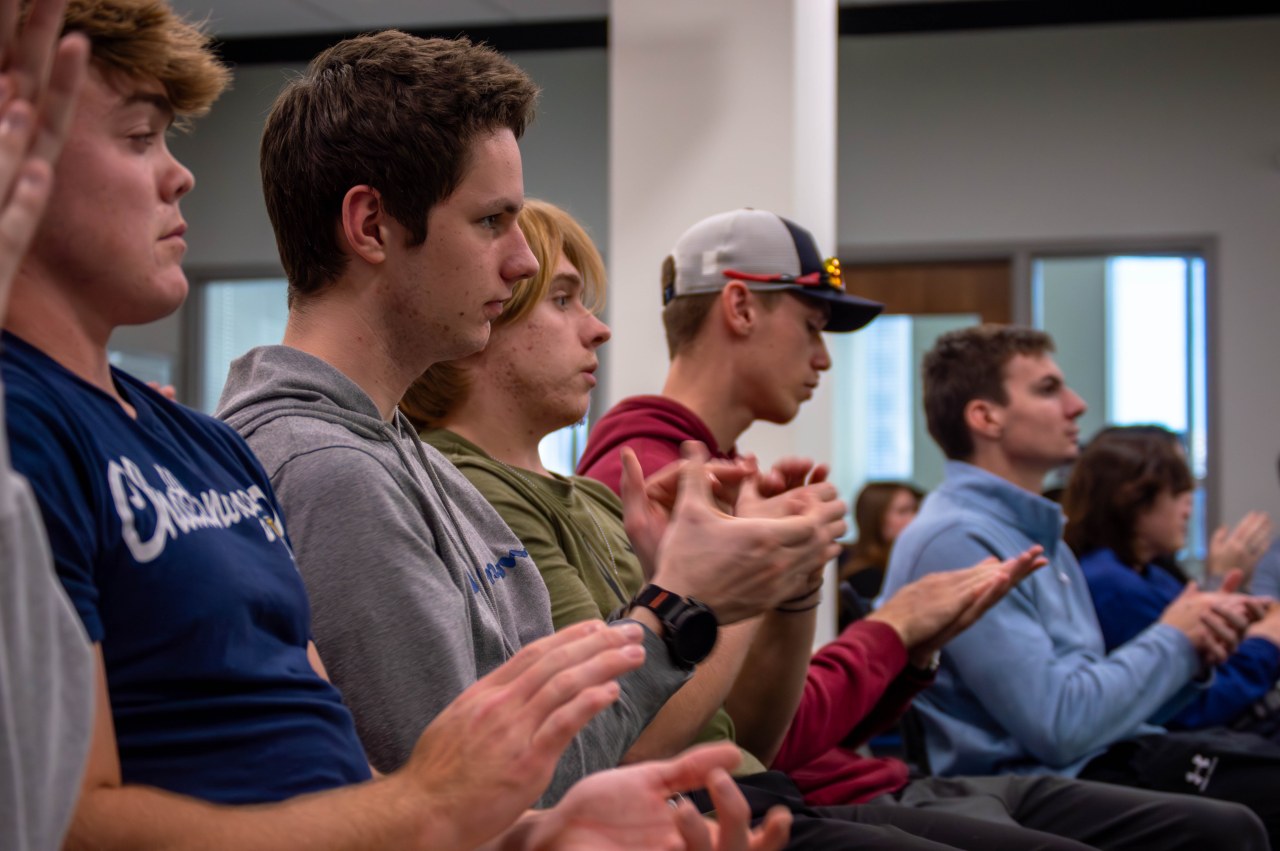
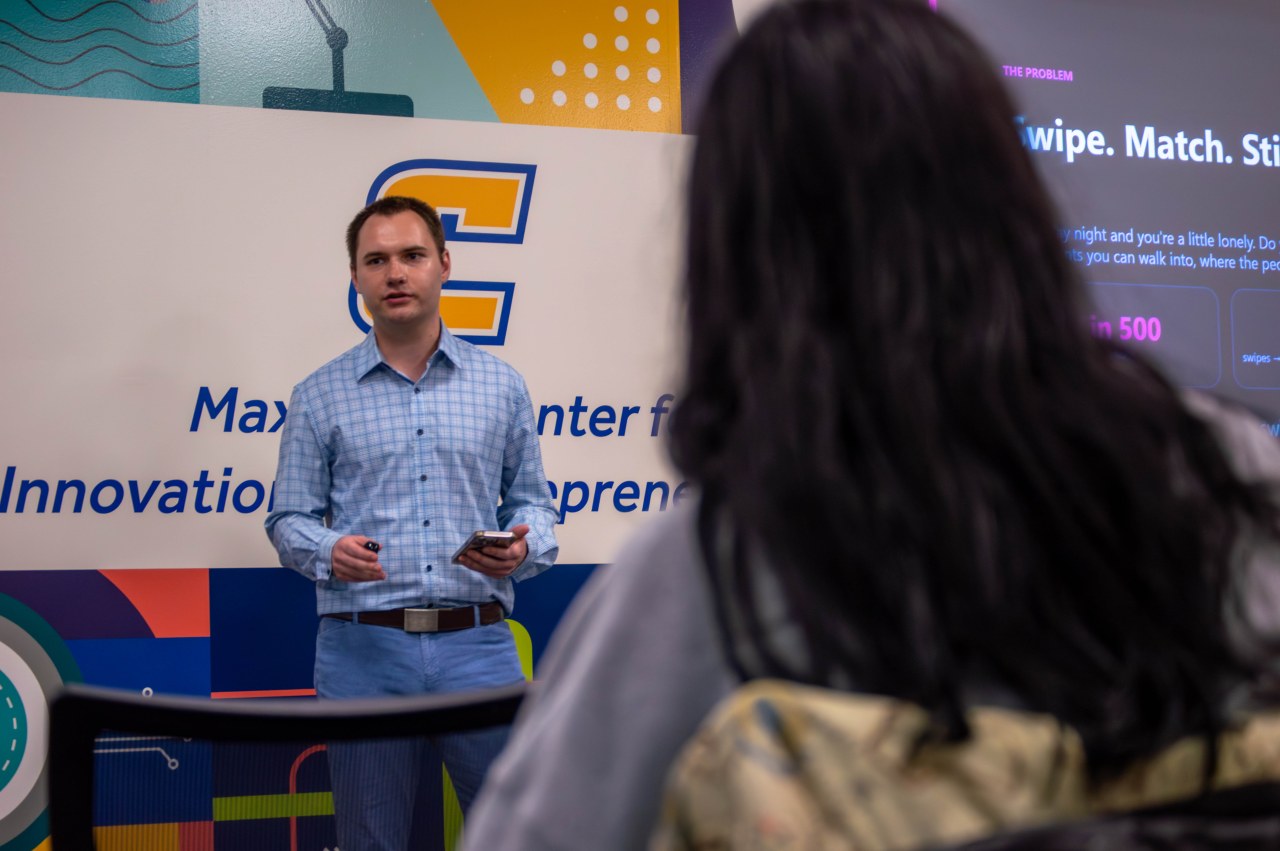
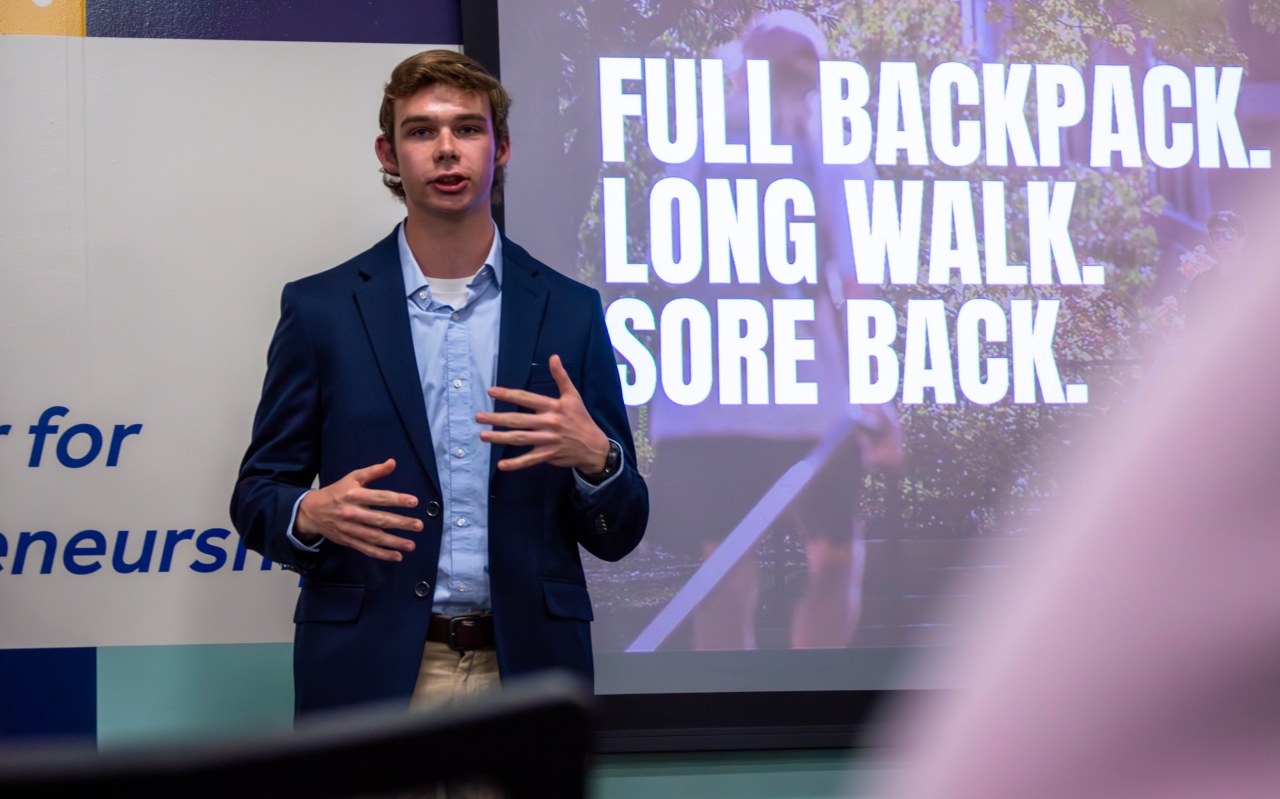
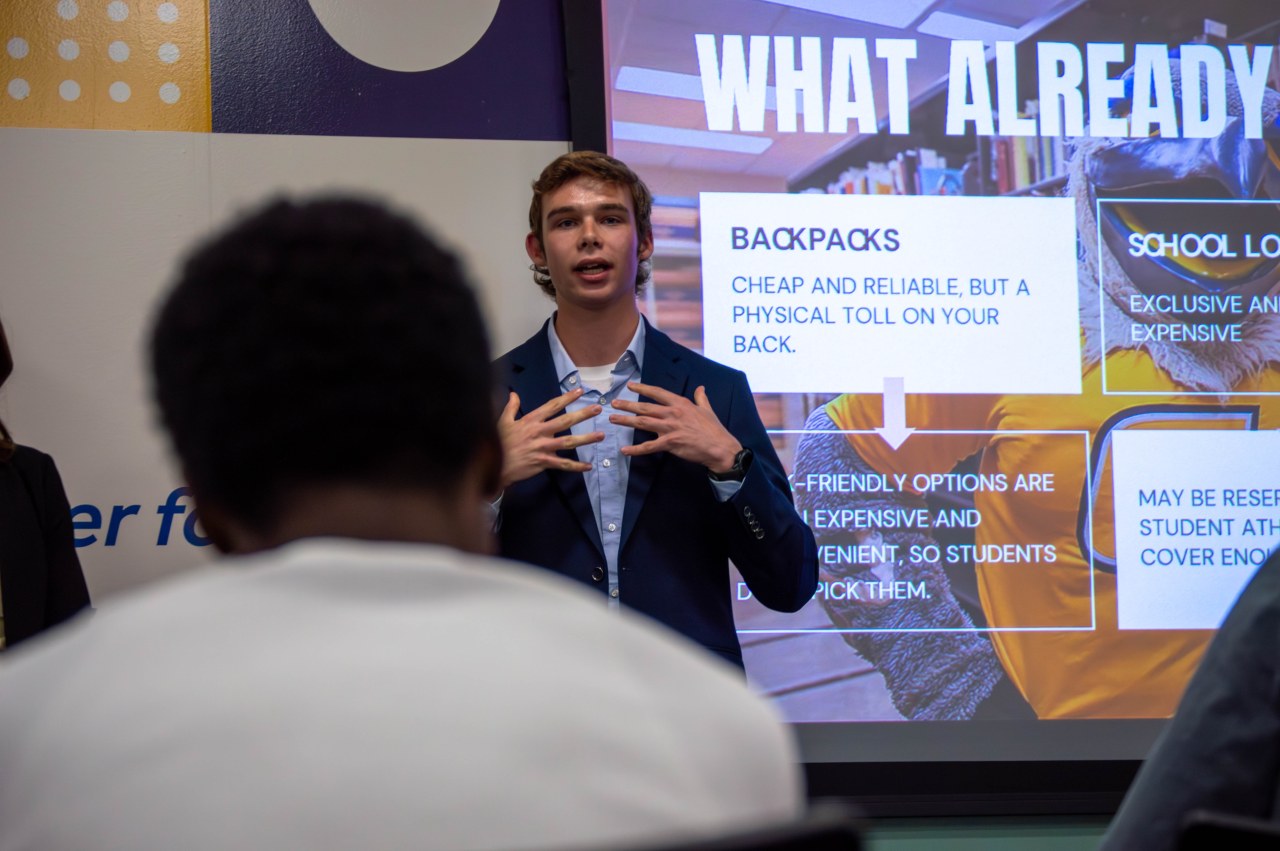
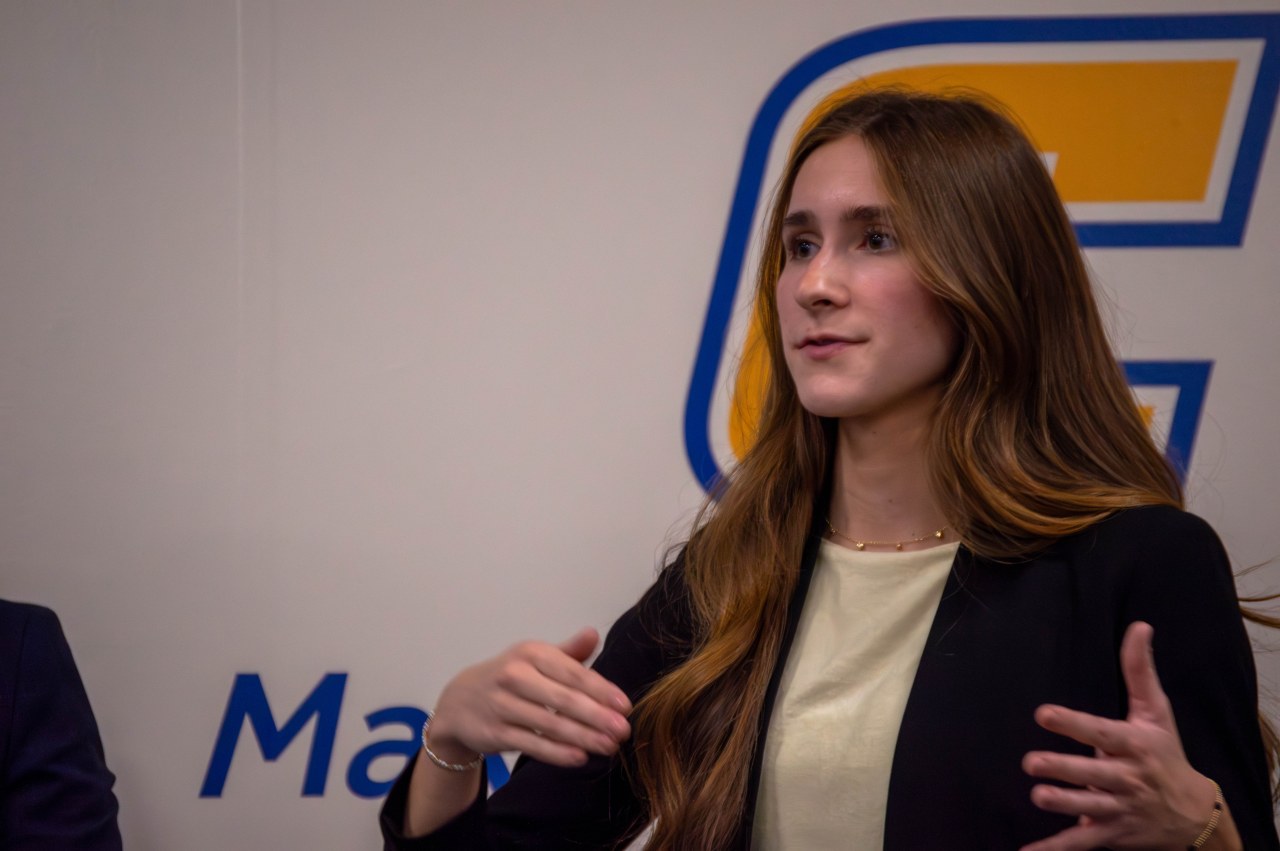
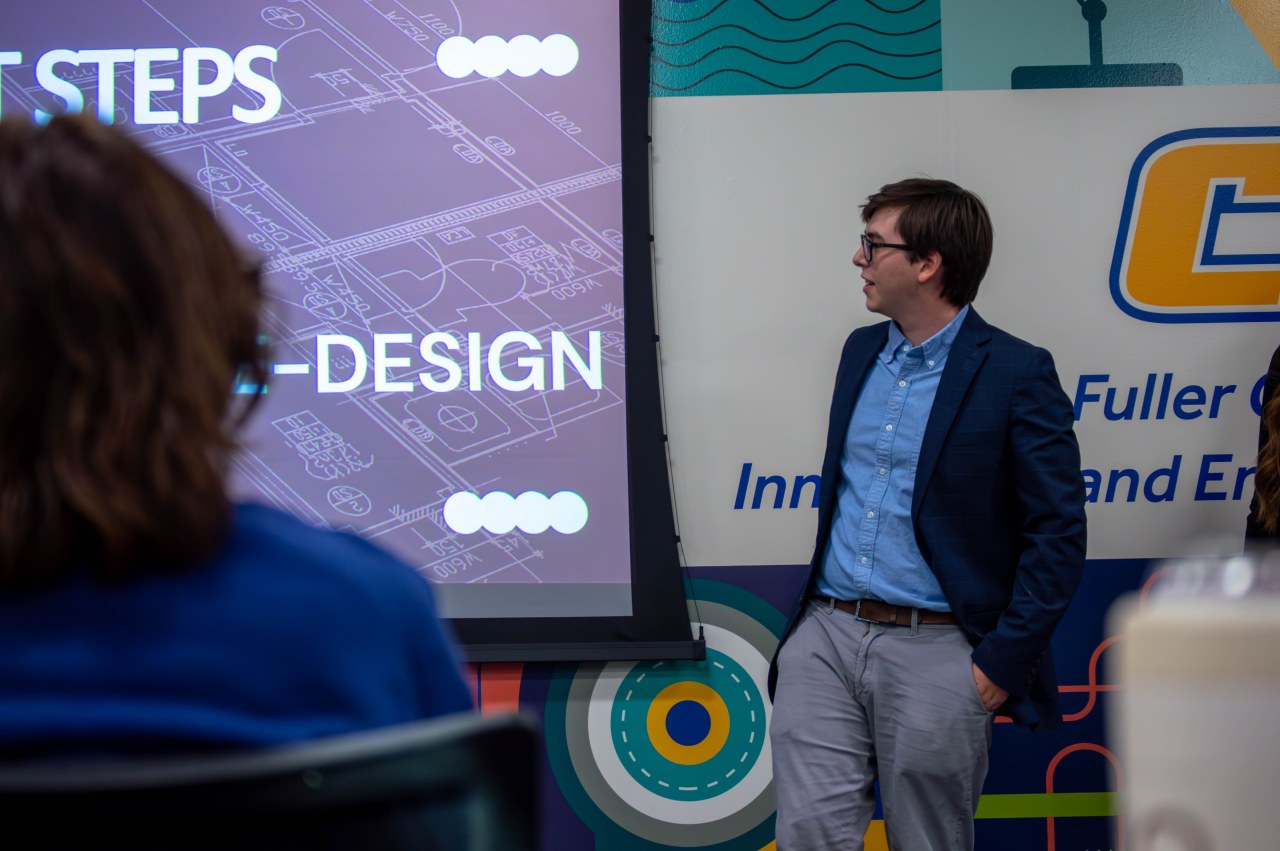
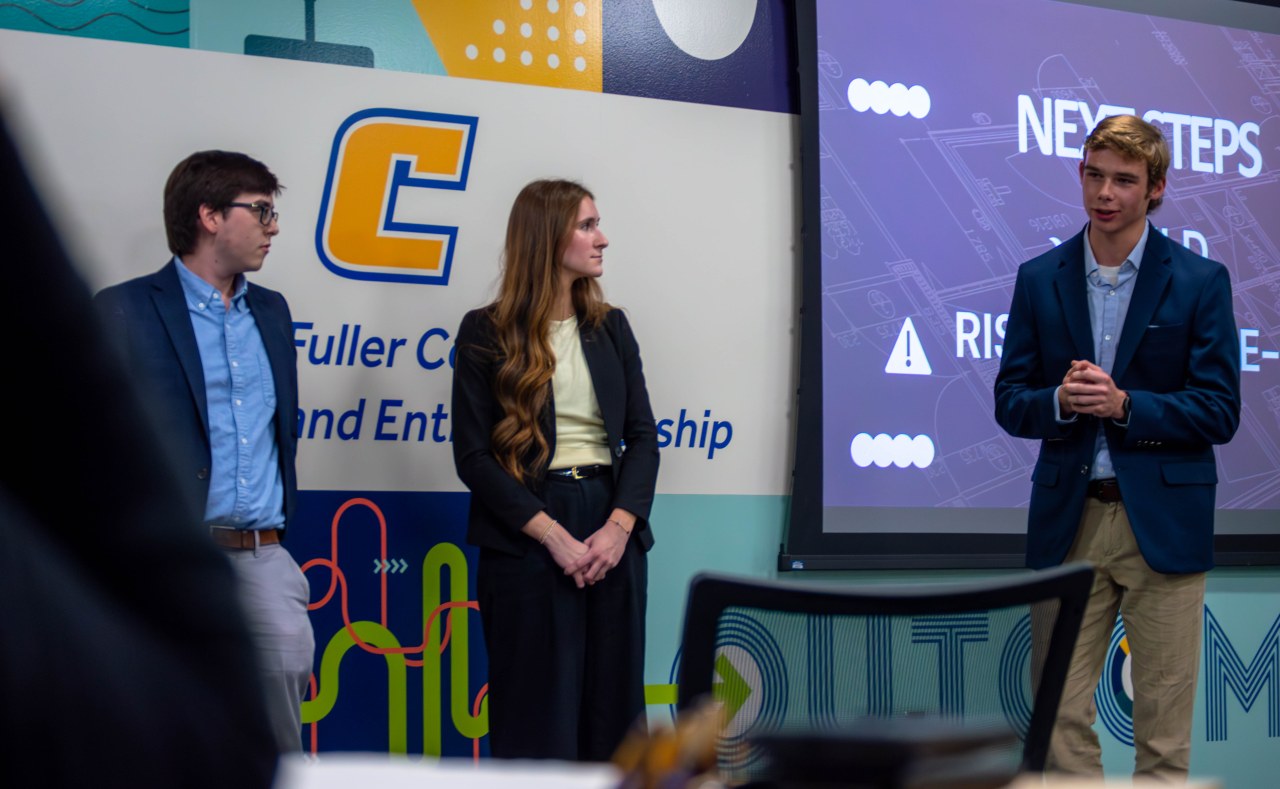
Thirteen UTC students participated in this semester’s event, where they stood in front of a panel of local entrepreneurs and made the case for an idea they’ve been building toward for weeks.
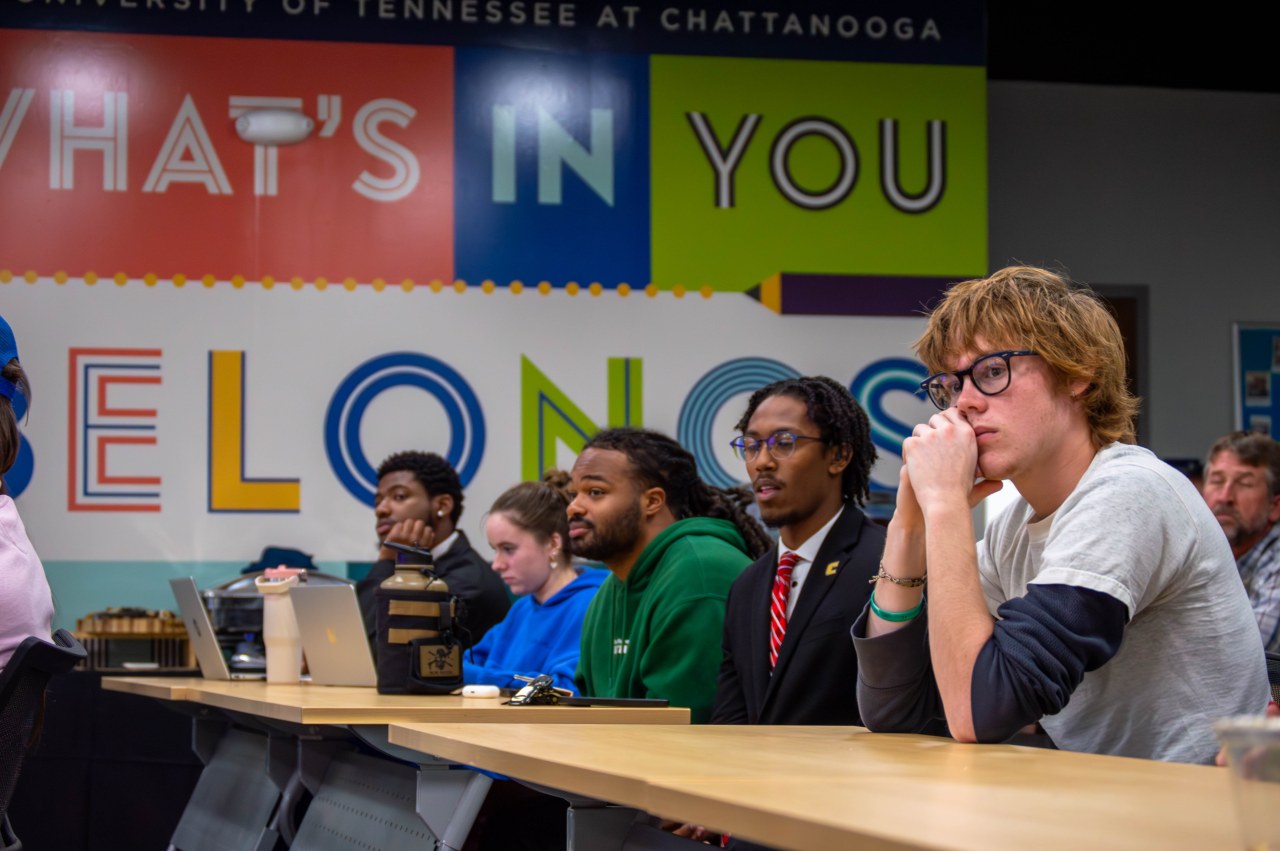
Any major, any stage of business
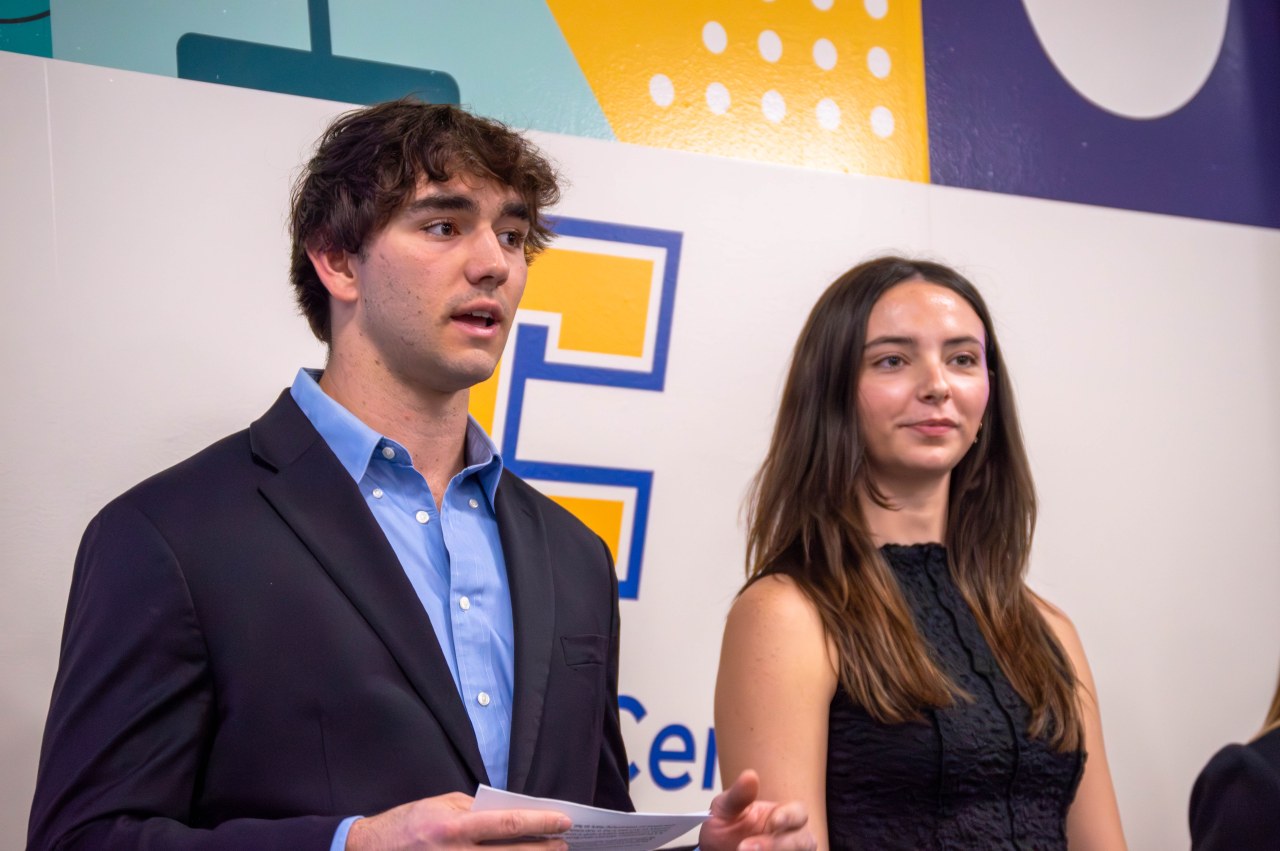
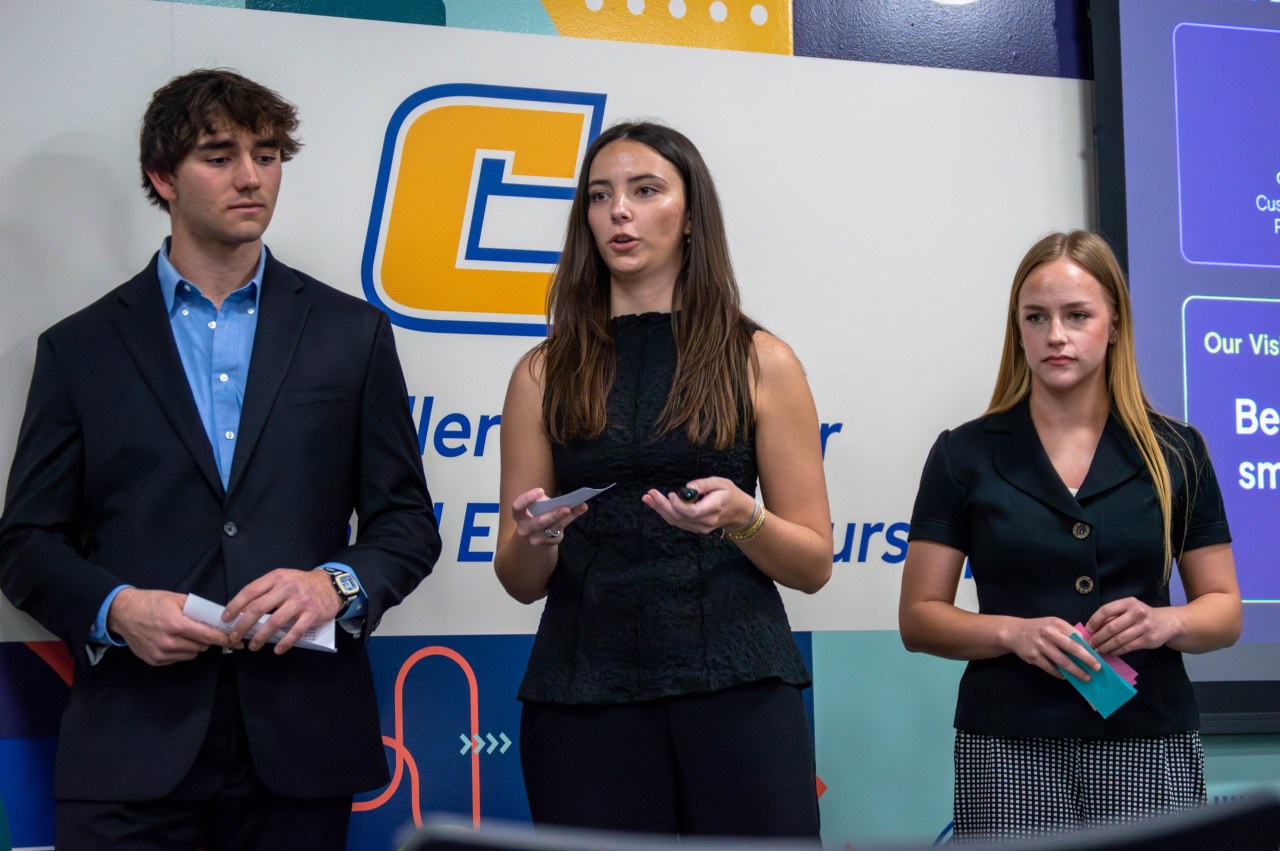
Fly! is open to any UTC student, undergraduate or graduate, in any major. While a finished business isn’t required, competitors have to bring evidence that a market exists and present a case for why they’re the right person to go after it. Finalists get the floor for a 4-minute presentation followed by three minutes of questions from the judges.
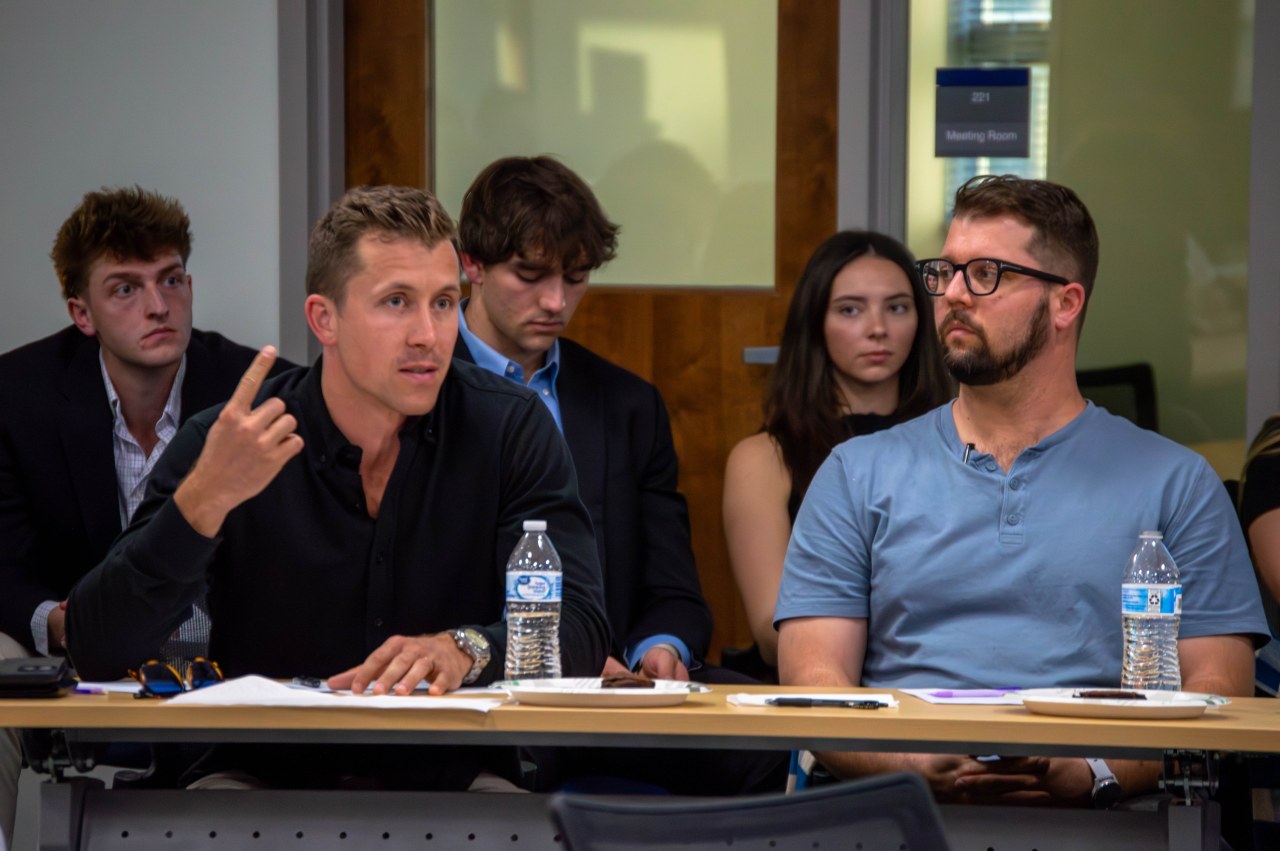
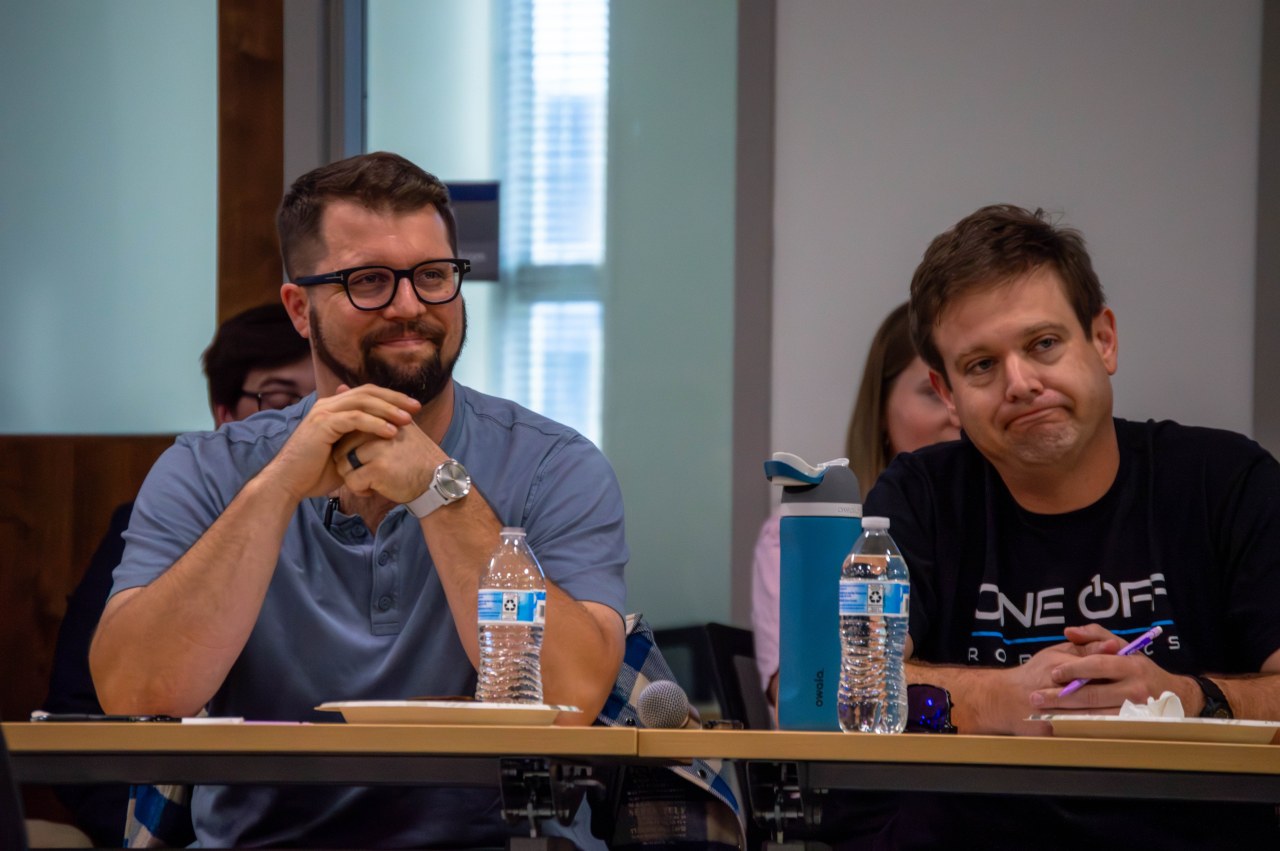
The judging panel was made up entirely of people who have built things themselves: Cameron Williams, chief operating officer of ProtoProof; Max Poppel, a veteran Chattanooga founder now serving as head of growth at One-Off Robotics; and Builder Brock, founder and CEO of WAYPOINT. They were joined by Dr. Phil Roundy, the Mary Harris Distinguished Professor of Entrepreneurship at UTC, whose research centers on how entrepreneurial ecosystems form in cities like Chattanooga.
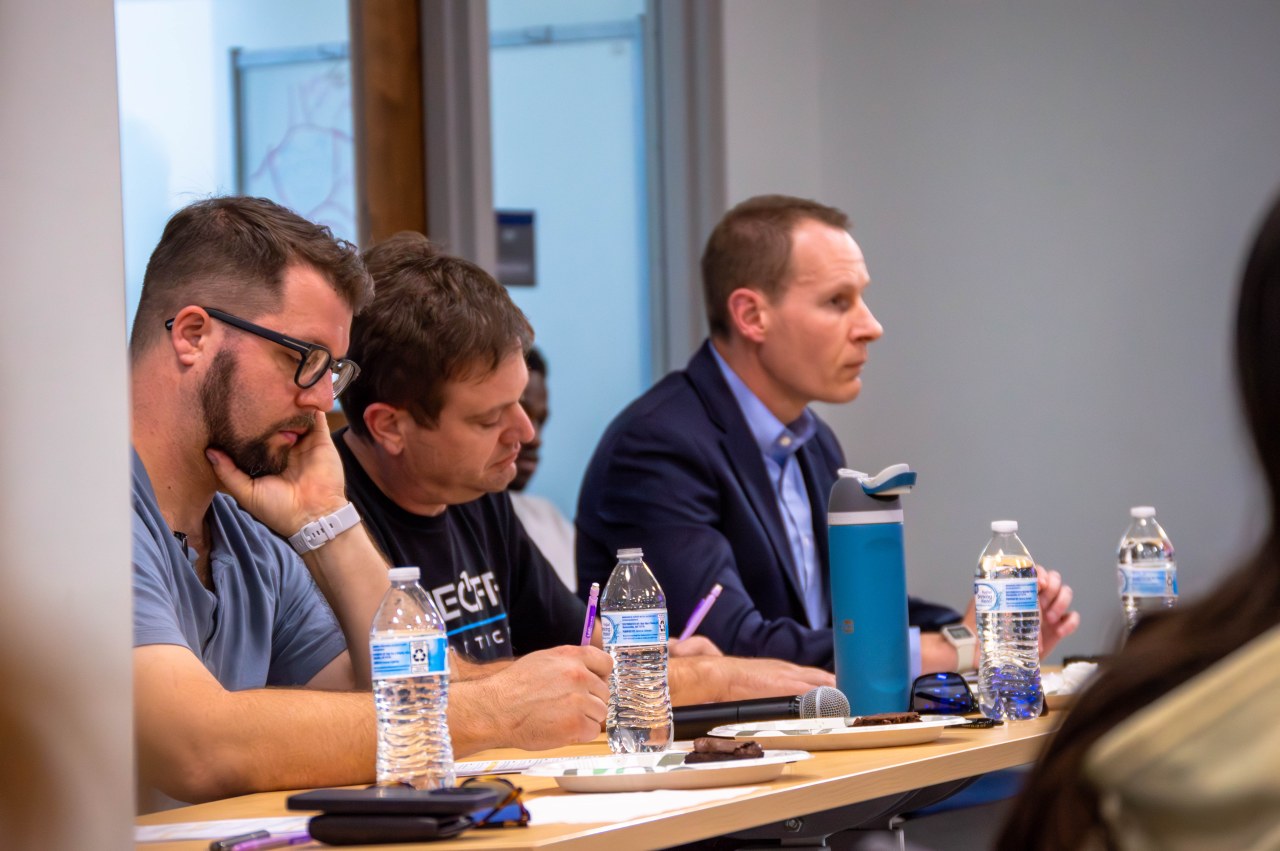
The judges had their work cut out for them as they selected the winners who received up to $3,000 in grants.
Mike Bradshaw, director of the Max Fuller CIE, said what students take away from the competition depends largely on where they are when they enter it.
“For many, standing up in front of people, subjecting themselves and their work to judgments, is a transformational experience,” he said. “For others, refining and articulating their business model through the Fly! qualification process is their goal. For yet others, having UTC and a panel of judges signify the value of their efforts through the scholarships is meaningful.”
The competition is built to accommodate all three of those motivations at once.
This year’s winners
First place — Tool Scan Direct (TSD), Stephen Hamill
Custom, modular, 3D-printed tool boards for industrial and commercial clients, sold as a turn-key service that covers scanning, CAD and layout, printing and delivery
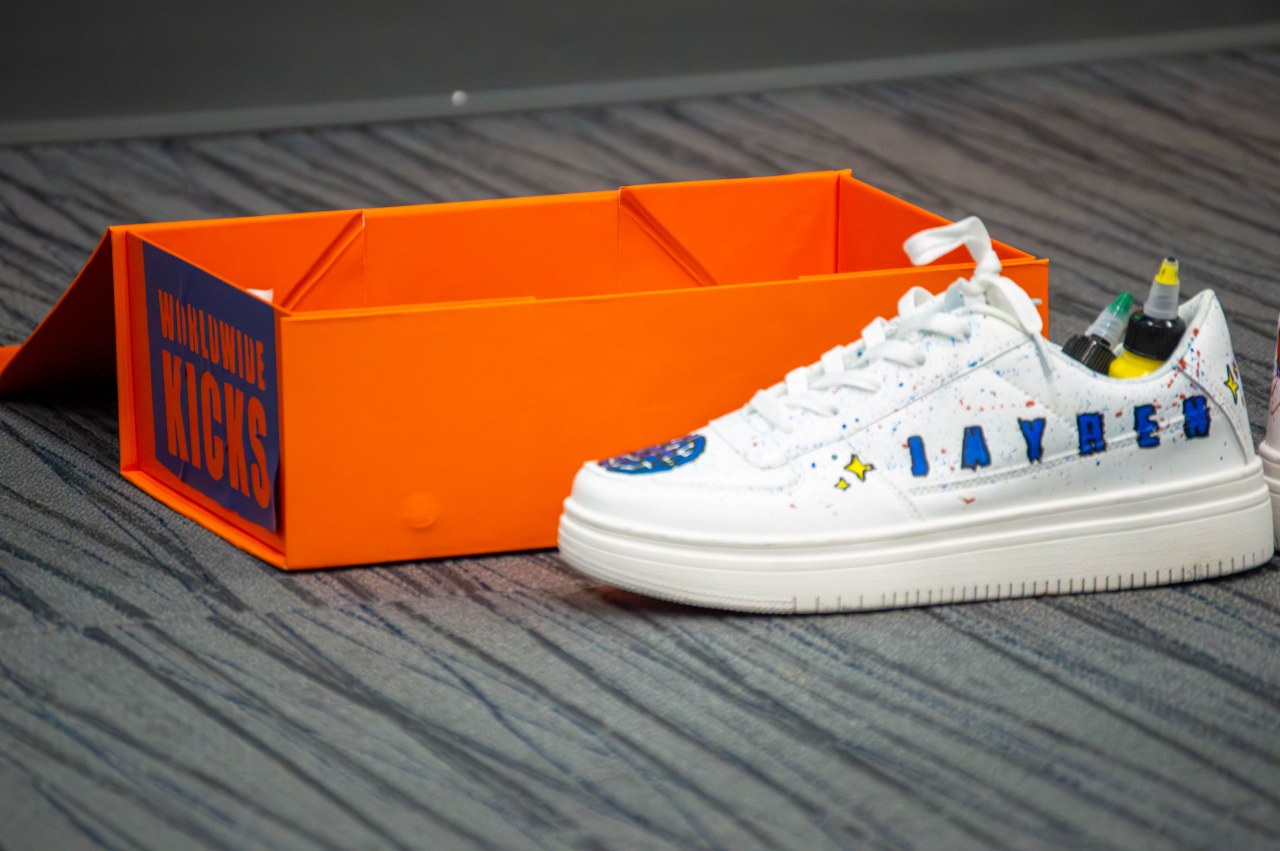
Second place — Worldwide Kicks, Jayden Gregory
A sneaker customization kit that packages the materials a first-timer needs to personalize their own shoes
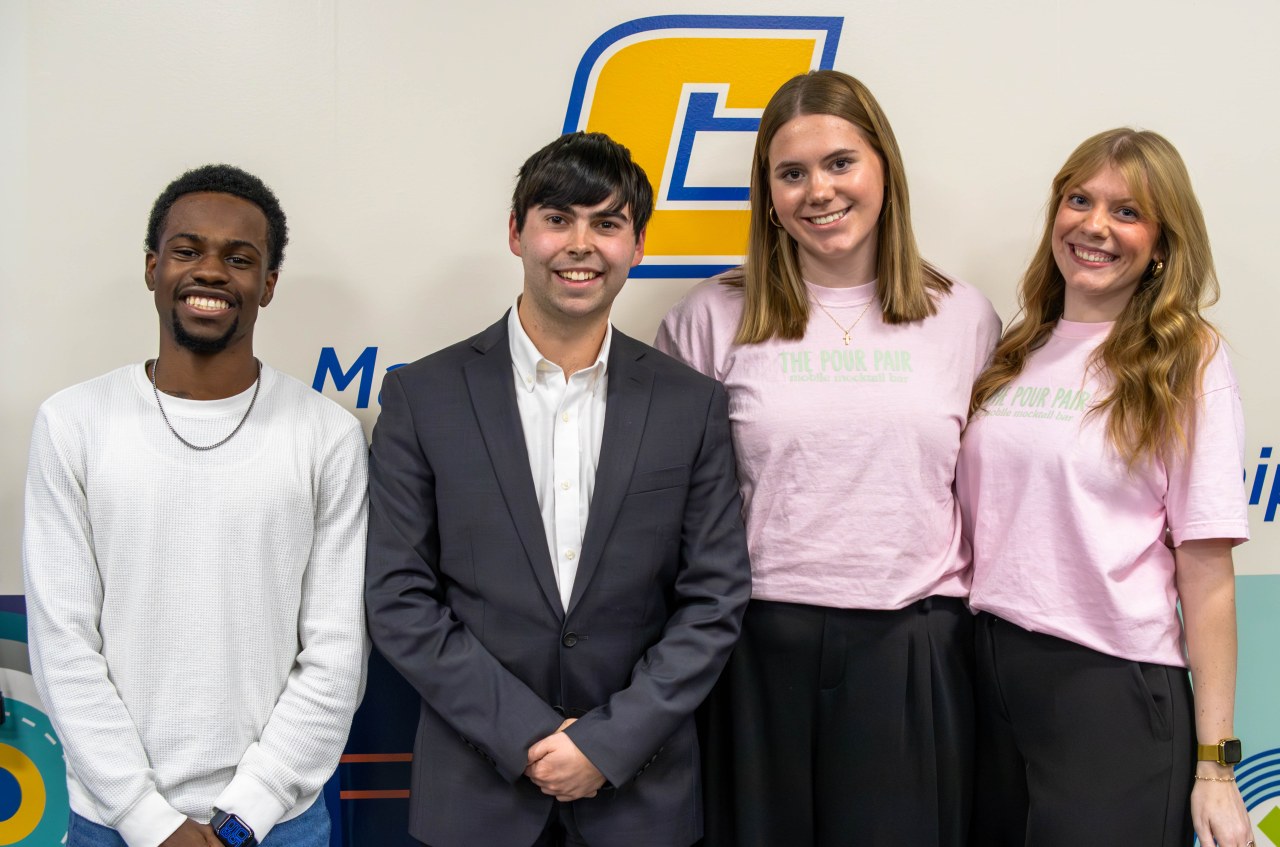
Third place — The Pour Pair, Madeline Roberts and Caroline Yates
A mobile mocktail bar serving handcrafted, alcohol-free drinks with fresh garnishes at weddings, birthdays, bridal showers and pop-ups across Chattanooga and the surrounding area
What a month of focused work actually does
The qualification process ahead of the live pitch is where a lot of the work happens. Students have to turn an idea into a business model, then compress that model into something they can explain in four minutes to people who will immediately start poking holes in it.
Mike said the change is visible on two tracks.
“I see their business skills increase in a month’s focused work solving real problems,” he said.
The second track takes longer to see, and it’s the one he’s had enough years at the Fuller CIE to watch unfold.
“Now that we’ve had some time, I’ve had the good fortune to watch them grow as people.”
That second outcome is harder to measure than a prize total.
The engineer who wasn’t sure anyone would get it
Stephen Hamill is not a business major. He’s studying mechatronics engineering technology, and the product he brought to Fly! reflects it. Tool Scan Direct is a turn-key industrial 5S solution built around custom, modular, 3D-printed tool boards. His company builds the shadow boards that give every wrench and socket a labeled home on a shop floor. TSD handles the entire process, from scanning a client’s existing tools through CAD and layout to printing and delivery.
The specificity of the product was what worried him going in.
“I really wasn’t sure if this was an idea investors would understand, and I was worried it was too niche,” Stephen said. He also entered late. “I was worried I might not have a stat I needed on a PowerPoint or that I might forget to say something and look silly.”
He took first place.
“This gives me the confidence, resources and validation to get the company off the ground and know there is a market waiting for custom boards.”
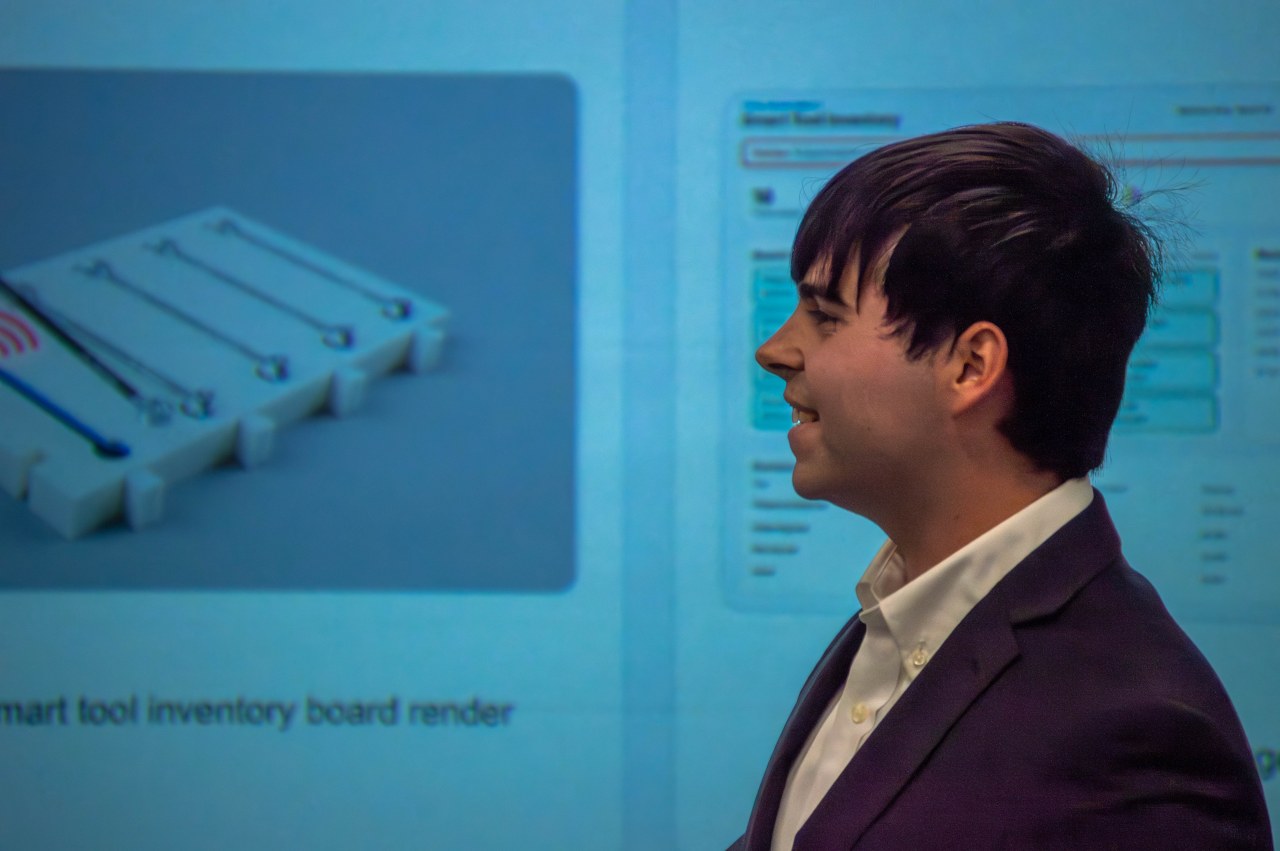
Hamill said the biggest challenge was communicating the engineering to people who don’t do it for a living.
“Engineers sometimes have a hard time translating technical knowledge into public speaking or presenting,” he said. “This really helped me take a very specific and complex process and explain it logically to investors and especially explain why it’s important.”
What surprised him was how short the distance turned out to be between the two disciplines.
“The gap between engineering and entrepreneurship is less than it seems. We are both solving problems,” he said. “It’s just what we do next —how we communicate and market solutions — that are different.”
The hardest part happened before the pitch
Jayden Gregory, a double major in entrepreneurship and marketing, started Worldwide Kicks in August 2022 as a sneaker-reselling business. Over time, his interest moved past reselling and into customization. The idea he brought to Fly! was a kit that packages the essential materials in one place, aimed at people who want to personalize their shoes but don’t know where to start.
He finished second place in the competition. Preparing for the competition meant facing personal challenges rather than working around it. He said there were moments when he had to work through things mentally while still trying to build the thing he was going to present.

“I didn’t want those challenges to determine what I could or couldn’t accomplish,” said Jayden. “The process taught me that entrepreneurship is more than having a good idea. It takes confidence, resilience, patience and the willingness to keep going even when things aren’t easy behind the scenes.”
While his award was a big accomplishment, he said the preparation was the part that mattered more.
“It reminded me that even when you’re fighting battles that other people may not see, you can still make progress, pursue your goals and accomplish things you once questioned whether you could do.”
Jayden also pointed to another effect of competing: it forces a founder to hear from people who aren’t already invested in the idea.
“Sometimes, you can become so focused on your own idea that you overlook things others may notice,” he said. “Having a product is one thing, but being able to explain its purpose, identify the problem it solves and show people why it has potential is another.”
Where Fly! sits in a bigger ladder
Fly! isn’t a standalone event. It’s the middle rung of a sequence the Max Fuller CIE runs, and each step asks more than the last.
The Changemaker Challenge comes first — an idea competition open to the whole campus, focused on making people’s lives better, with no business model required. Fly! is where the business model shows up. The top three Fly! teams become eligible to apply for the Hult Prize, a global competition with a $1 million award to the winner.
UTC has sent three teams to the U.S. regional competition over the past two years. The university’s first team made the national finals and placed in the top eight against schools from across the country.
For the students who presented, the prize money was one outcome. Eligibility for the next competition was the other.
Why the Center runs it at all
The Max Fuller Center for Innovation and Entrepreneurship was established in 2018 to engage, equip and encourage UTC’s innovators. It became a physical space in 2020, taking roughly 5,000 square feet on the second floor of the James R. Mapp Building, and received a $5 million naming gift from Max Fuller in 2025.
The programming comes back to one idea: entrepreneurship is a practice, not a subject.
“Providing students with experiential learning opportunities through competitions and paid internships is why the Max Fuller CIE exists and what I wake up thinking about,” Mike said.
Competitions are a demanding way to teach. They’re public, they’re judged, and most participants don’t place. They also put a student in front of people who have no obligation to be encouraging, which is a reasonably accurate preview of what comes after graduation.
Three of the 13 placed. The other 10 still got time in front of four entrepreneurs, a few minutes of hard questions and the experience to drive them forward.
Let’s see where your ideas will take you.
The best entrepreneurs learn by doing — building, pitching, failing and trying again until it works. At UTC’s Gary W. Rollins College of Business, students turn ideas into ventures through the Max Fuller Center for Innovation and Entrepreneurship, where pitch competitions, paid internships and mentorship from working entrepreneurs give you the practice to launch with confidence.

Leave a Reply